ABS Injection Molding Services
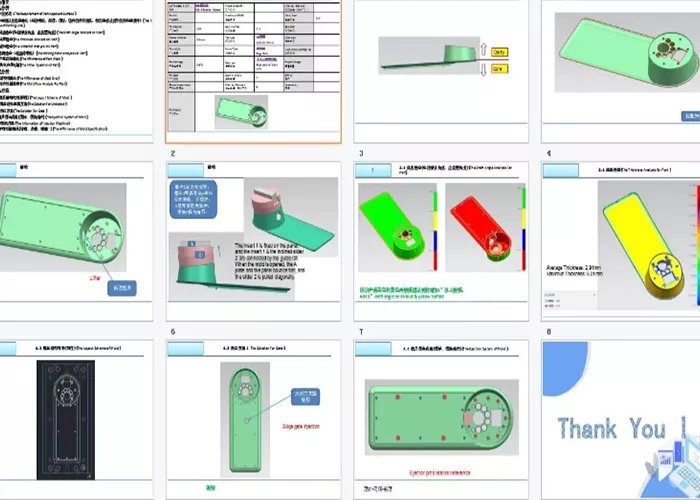
Need custom ABS injection molded prototype parts or high-volume production parts? Order now and Elimold can deliver in as little as 5 days. We offer technical expert support, DFM analysis, and mold flow analysis. A wide selection of materials and surface treatments are available to meet your needs.
Are You Looking for ABS Plastic Injection Molding Services?
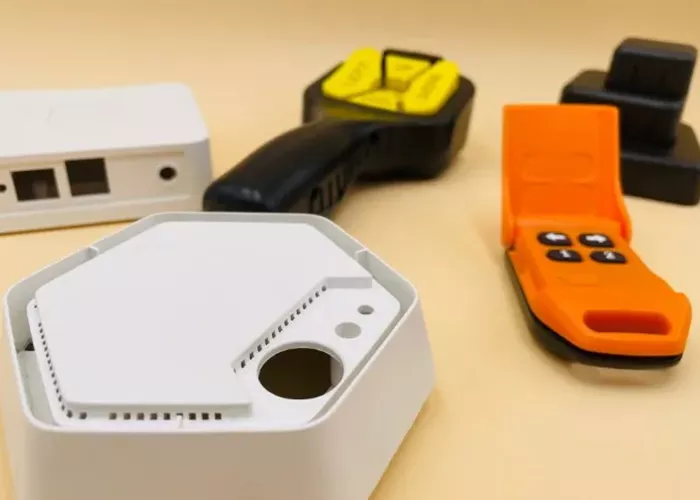
Are you looking for opportunities to improve existing products or develop new ones? If so, we offer a variety of services to help you achieve your goals. With years of experience and our advanced injection molding equipment, we can precisely produce your ABS injection molded products.
Customer satisfaction is our top priority. Partnering with Elimold guarantees high-quality injection molded ABS components and on-time, budget-friendly delivery. More importantly, you’ll enjoy consistent customer service. This dedication has made us a trusted supplier of injection molded ABS parts for numerous industries. Furthermore, to meet all the specific needs of your projects, we offer virtually all types of plastic molding services.
What is ABS Plastic Material?
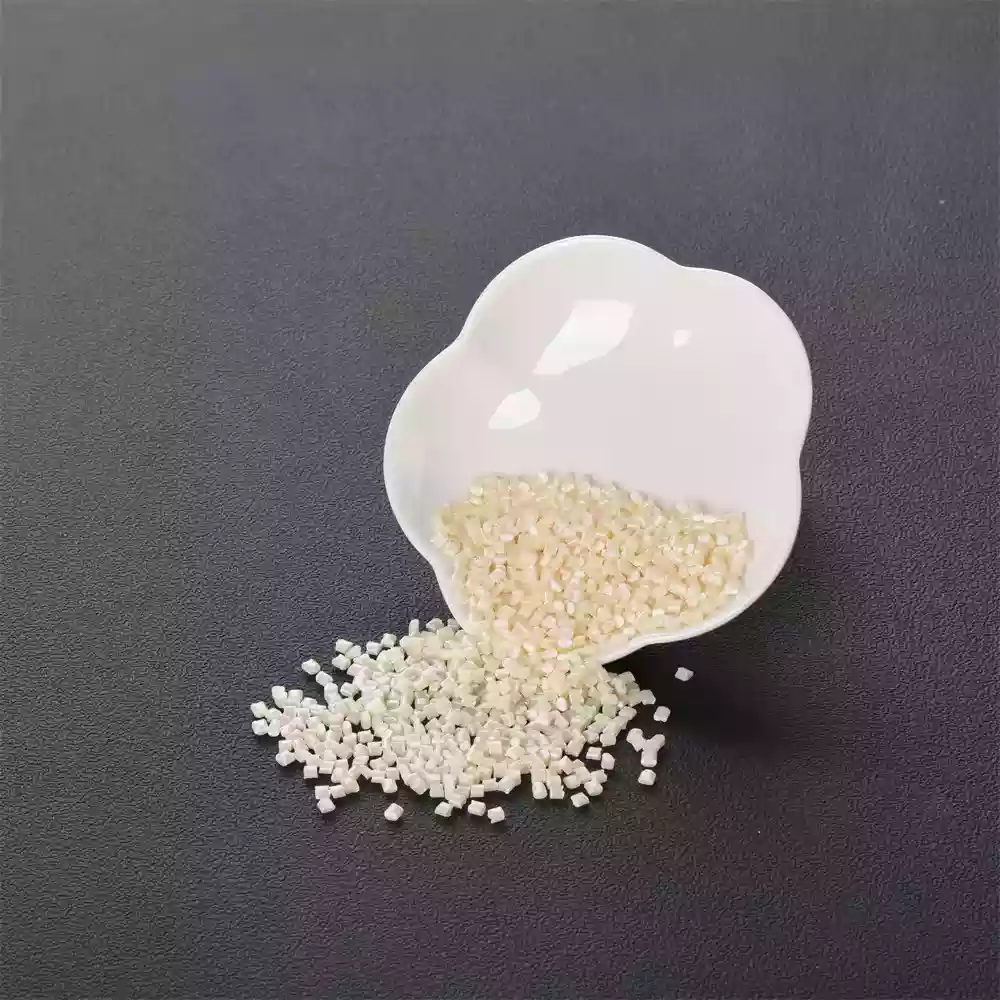
ABS is a thermoplastic polymer widely used in injection molding. ABS plastic is a terpolymer composed of three monomers: acrylonitrile (A), butadiene (B), and styrene (S). The relative amounts of these three monomers can be varied to create various types of materials. Therefore, it possesses the common characteristics of all three components: A provides chemical resistance, heat resistance, and a certain surface hardness; B provides high elasticity and toughness; and S provides the processing and molding characteristics of thermoplastics and improves its electrical properties. By changing the proportions of the three monomers, the properties, melting point, flowability, and other characteristics of ABS will differ, ultimately resulting in products with significantly different properties.
Characteristics of ABS Injection Molding Material
ABS is characterized by high impact and tensile strength, dimensional stability, stiffness, and excellent load stability. Furthermore, ABS retains its properties and performance even at extreme temperatures, and its low melting point makes it easy to injection mold. ABS can be alloyed with other polymers to achieve desired properties. ABS can also be colored to customize parts and is easy to paint and bond, making it ideal for secondary processing.
- Safe For Food Processing
- Resists Impacts
- Superior Stiffness
- Resists Chemical Exposure
- Excellent Abrasion Resistance
- Superior Stiffness
- High Strength
- Easily Machined
- Safe To Paint
- Easily Thermoformed
- Safe To Glue
- Good Dimensional Stability
- Strong Electrical Properties
- Recyclable
Most Commonly Used ABS Injection Molding Material Types
General ABS
This is the most widely used grade of ABS, combining strength, impact resistance, and cost-effectiveness.
High-Impact ABS
Enhanced impact resistance at low temperatures, primarily used for various components requiring high impact resistance.
Flame-Retardant ABS
Meets the UL94 V-0 standard for fire safety applications, ensuring flame-retardant properties.
Heat-Resistant ABS
Withstands higher temperatures (up to 100°C) compared to standard ABS.
Medical-Grade ABS
Primarily used in the medical field, this material is FDA-compliant and biocompatible.
Glass-Filled ABS
The addition of glass fiber enhances its strength, dimensional stability, and heat resistance.
Electroplating-Grade ABS
Formulated for excellent adhesion to metal plating layers.
UV-Stabilized ABS
Effectively prevents parts from yellowing. This material offers a 5-year color stability guarantee.
Complete Production Support Team
We have a dedicated manufacturing team working behind the scenes to meet your production order needs. We manage the entire process and keep you updated on the latest progress.
Engineering & DFM
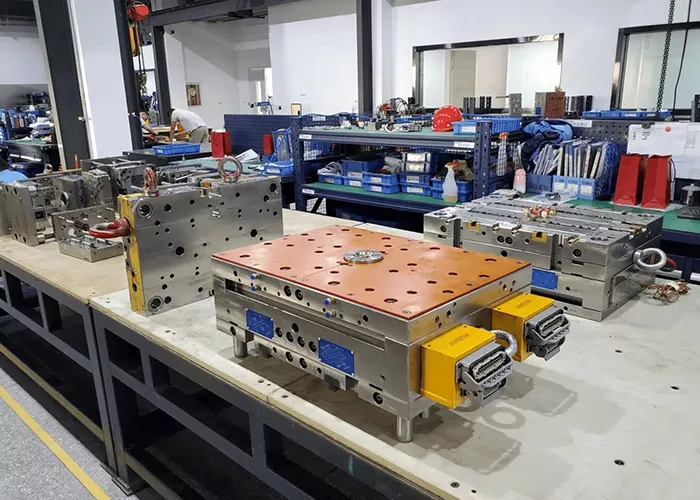
Mold Making
Injection Molding
Surface Treatments
Quality and Compliance
Assembly and Shipping
Ready to Get a Custom ABS Injection Molding Quote?
Customized ABS Plastic Product Manufacturing Solutions
Off-the-shelf ABS material isn’t always suitable for all applications. When you face complex challenges, Elimold can help. Our team of engineers works with you to understand your application and its expected operating environment. Based on this, we can jointly develop prototypes for testing and validation. Once the final design is approved, full-scale production can begin. As a leading manufacturer of injection-molded ABS parts, we can quickly and cost-effectively transform your designs from drawings into actual products.
Our In-House ABS Injection Molding Factory Capabilities
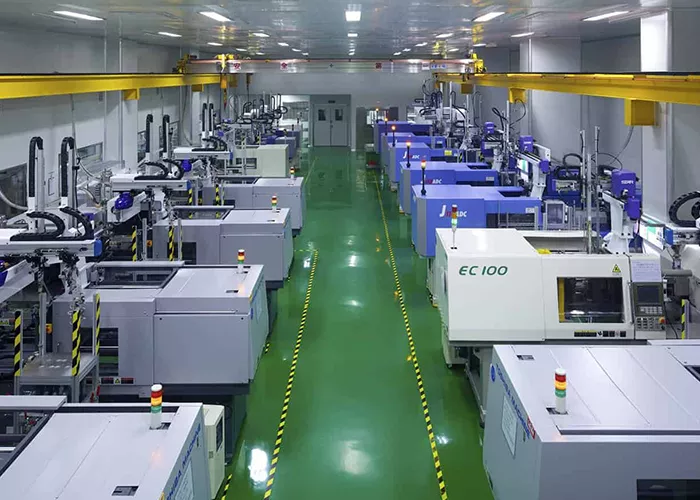
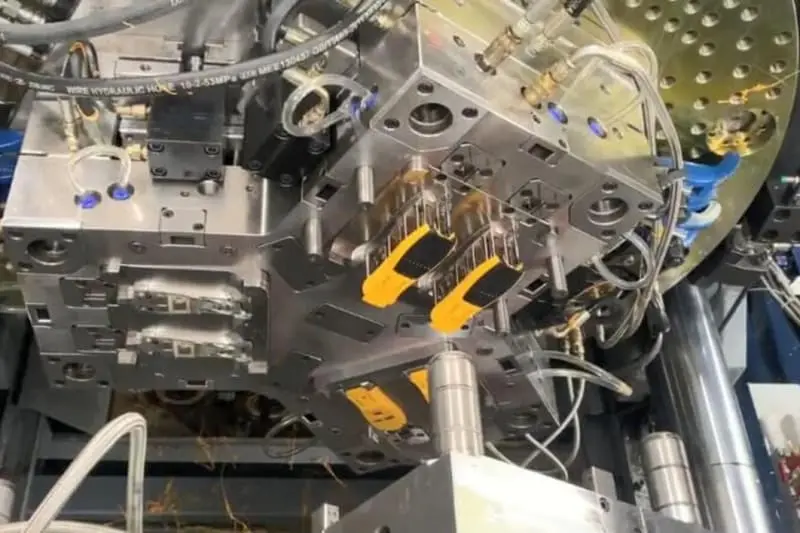
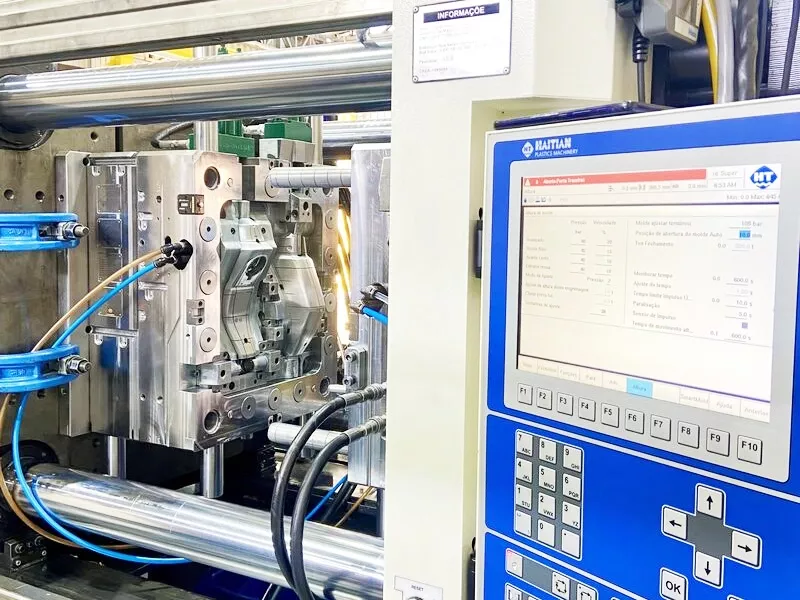
Elimold’s in-house injection molding plant in Shenzhen, China, boasts over 150 injection molding machines, including multi-color machines. It is equipped with multiple injection molding systems with clamping tonnages ranging from 35 tons to 2200 tons. Our plastic parts production capacity reaches up to 2000 mm (18 kg). We possess the knowledge, skills, and tools required to produce small to medium-sized parts, in small to large batches. Furthermore, we offer mold design services to support our injection molding business. In addition to manufacturing ABS plastic products, we can also process various engineering plastics and general-purpose thermoplastics.
Comprehensive ABS Plastic Parts Services
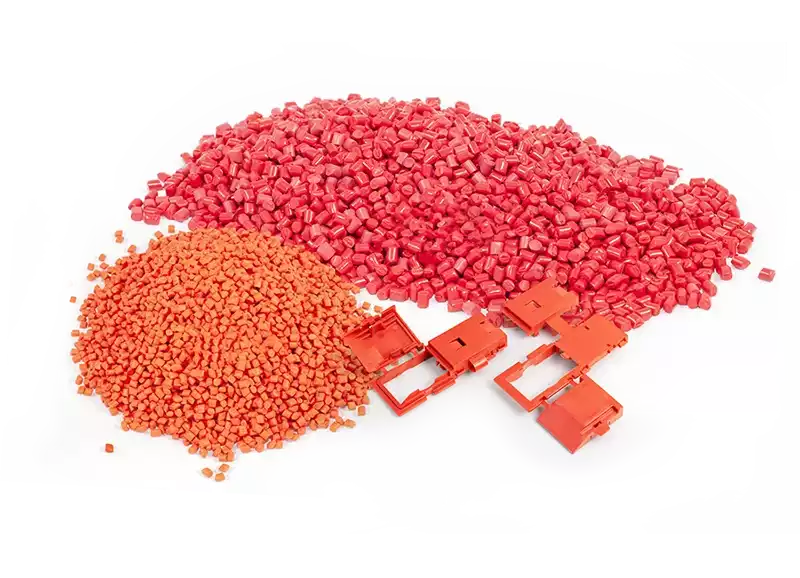
In addition to ABS injection molding prototyping and production capabilities, Elimold is happy to offer a range of services designed to add value to your supply chain. We offer the following services: Finding the materials needed to bring your plastic part designs to market can be a distraction from achieving your core objectives. Let us handle that. Our team is happy to procure the materials needed for your project and process them into finished products on your behalf. Additionally, our team can color ABS plastic according to specific Pantone color codes and surface treatment requirements, giving your parts the desired look and performance.
Final Molding and Machining of ABS Plastic Products
If you require high-precision, complex ABS parts, our technicians will manufacture them for you using both ABS injection molding and five-axis CNC machining. We first injection mold an ABS part close to its final shape, then precision machine it to the required tolerances, milling out the necessary ports, threads, and chamfers. Often, engineers come to us with ABS parts that other injection molding companies refused to quote for. By combining multiple processes, we are able to successfully manufacture the required parts. Before investing in ABS injection molds, we can machine small batches of prototypes for testing, assembly, and functional analysis.
Custom Options for ABS Injection Molding
Our comprehensive ABS injection molding customization service can meet your specific specifications. Therefore, we can offer a variety of customization services, including:
Quality Control of ABS Injection Molded Parts
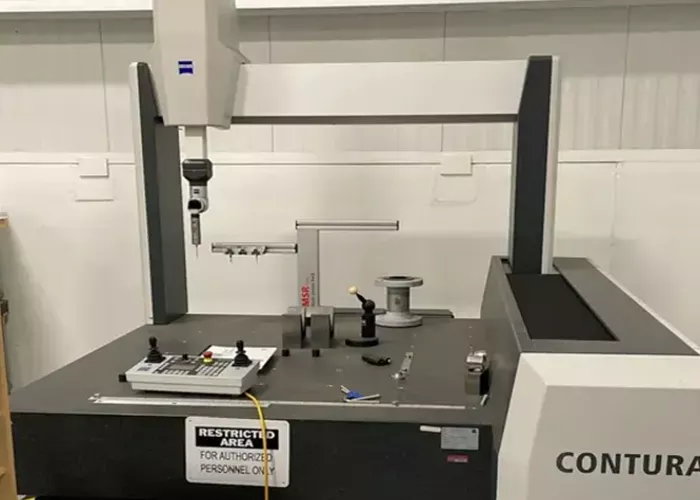
We strictly control quality at every stage of production, from incoming material inspection to outgoing inspection. For raw materials, we conduct timely IQC (Incoming Quality Control). All raw materials are sourced from verified suppliers who have implemented and maintained certified quality management systems in their factories. Suppliers possess complete certifications, such as RoHS, REACH, MSDS, FDA, LFGB, UL, EN549, BPA-free, EN71, etc. For pre-production samples, we provide several samples for customer assembly and functional testing. After customer approval, we promptly seal and package the samples. For mass production, we conduct IPQC and PQC (Multiple Quality Control) during production, and FQC (Fulfilled Quality Control) after deburring or chamfering. The aim is to promptly identify and resolve problems, reduce defects, and lower manufacturing costs. After packaging and assembly, we conduct OQC (Outgoing Quality Control) to ensure the final product is qualified.
Alternatives to ABS Injection Molding
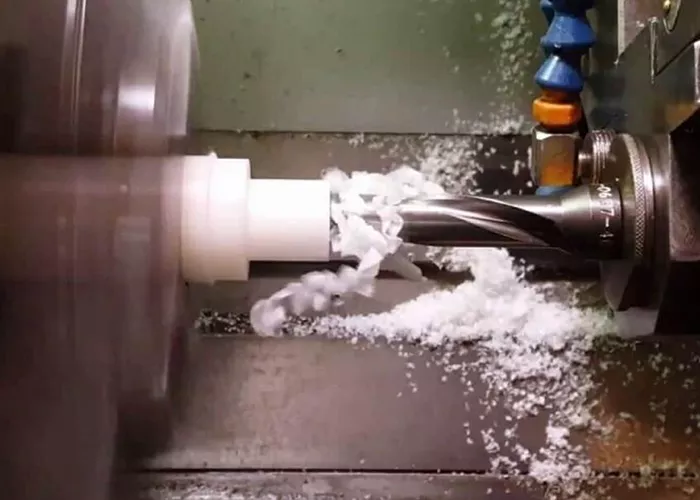
ABS CNC Machining
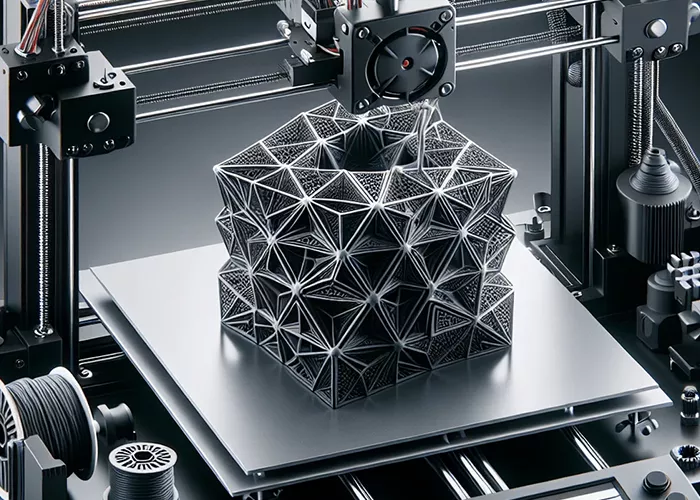
ABS FDM 3D Printing
Large Part Injection Molding
FAQ
When producing ABS plastic molded products, appearance defects may include burrs, shrinkage marks, weld seams, bubbles, silver streaks, and flow marks. Dimensional deviations and deformations may also exist. During acceptance and inspection, visual inspection can be performed, along with checking surface flatness using dimensional measuring tools. Observe from different angles for various defects, check for color uniformity, and look for scratches or stains on the surface.
The price of simple, small products ranges from $0.1 to a few dollars, while the price of complex, large, and high-precision products can reach tens of dollars. Additionally, the price of simple molds ranges from $500 to several thousand dollars, while the price of high-precision ABS molds can reach hundreds of thousands of dollars. Production volume affects cost allocation. Small-batch production results in higher unit prices, while large-batch production results in lower unit prices.
When designing ABS injection molds, several factors need careful consideration to ensure smooth and well-formed products.
- For demolding, a reasonable draft angle should be designed.
- For undercut structures, a suitable demolding mechanism should be used.
- Regarding the cooling system, the location and size of cooling channels should be carefully planned.
- When designing the injection gate, the gate location should be chosen in a thicker section of the wall.
- The parting line design should follow the principle of simplicity, located at the point of maximum product contour to ensure good sealing.
Yes, ABS plastic injection molding is suitable for both small-scale and large-scale production. Its high production efficiency makes it cost-effective at various production scales.
Yes, the ABS plastic injection molding process can accurately replicate mold features, thus excelling in producing complex shapes and fine details.
Compared to polycarbonate (PC), ABS has lower impact strength and heat resistance, but is less expensive and easier to process. Compared to polyamide/nylon (PA), ABS has better dimensional stability and lower moisture absorption, but lower chemical resistance and strength. ABS offers an excellent performance balance in terms of price.
Yes, ABS can be mixed well with materials such as PC (polycarbonate) to improve strength or heat resistance. However, care must be taken when mixing to avoid compatibility issues. We can help you determine if a mixture is suitable for your project.
ABS is harder and easier to paint or bond, while PP is more flexible and more resistant to chemical corrosion. ABS requires stricter temperature control, while PP has a higher shrinkage rate. The choice of material depends on the specific application of your part, and we can help you select the most suitable material.
Looking for high-quality ABS injection molding services?
Ready to bring your ABS plastic injection molding project to life? Contact us today to discuss your needs. Our team is dedicated to providing reliable, high-quality solutions that exceed your expectations.