Bridge Production

Elimold’s Bridge Production Services, Powerful options between prototyping and production stages.Ideal for Soft Launches or Market Testing, Bring Your New Products to Market Faster.

From Concept to Production: Expert Low-Volume Bridge Manufacturing Solutions

Bridge production – making an initial lower quantity of parts – can help you solve a number of common problems, including side-stepping tooling delays, meeting regulatory requirements and conducting market research if you’re unsure of demand for your new product. And it’s not just limited to additive technologies.
Our low-volume bridge manufacturing capabilities can serve your metal and plastic needs. Validate your design and minimize risk before committing to full production. Our extensive experience delivering PPAP parts ensures a smooth transition to high-volume manufacturing, guaranteeing your components meet all the necessary specifications.

Bridge Production sla process

Three Key Phases of the Bridge Manufacturing Process

As a strategic modern manufacturing approach, bridging production integrates a series of phases designed to optimize the manufacturing process and ensure a smooth transition to mass production when transitioning from prototyping to large-scale production. These phases include:

Bridge Production Rapid Prototyping

Initial Short-Term Production

Validating the product design and its manufacturability is the primary goal of the initial phase of small-batch production without incurring the enormous costs required for mass production. CNC machining and additive manufacturing are commonly used small-batch production techniques by product developers. Typically, the output at this stage is between tens and hundreds of units. Obtaining statistically significant market feedback and quality control datasets is crucial without wasting company resources.
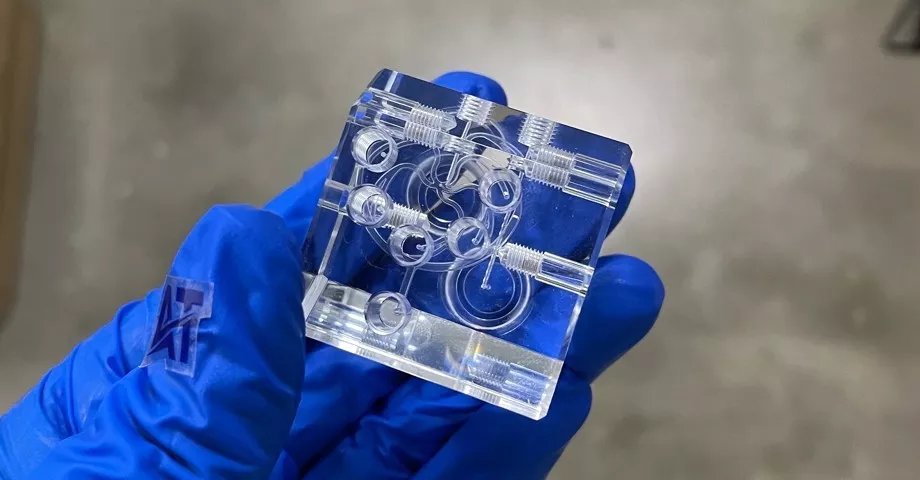
Bridge Production CNC Machined Microfluidic Chip in Medical.jpeg

Market Testing and Pre-Sales Strategy

Market assessment is an indispensable tool in bridge manufacturing. Manufacturers can evaluate market reaction to a product before full-scale production by interacting with potential end-users or customers and collecting feedback. This helps gather valuable data on consumer preferences, functionality, and usability, which is central to making informed product design improvements.
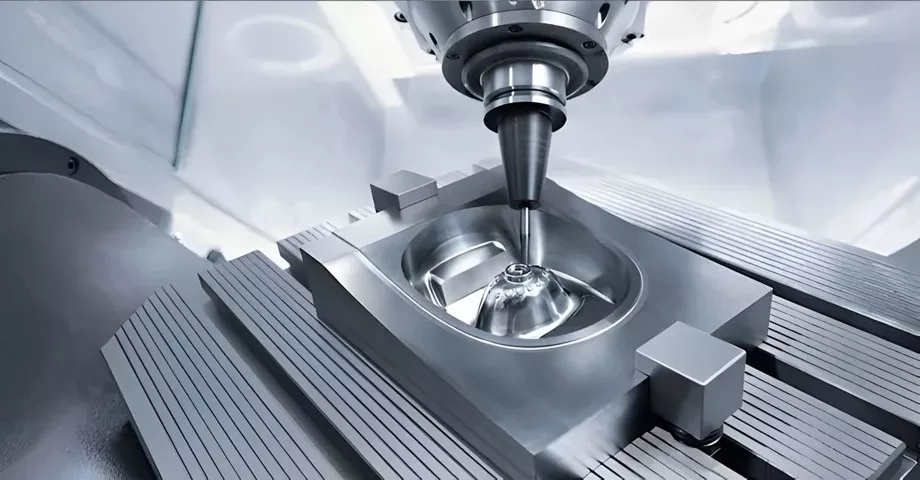
Bridge Production Rapid Tooling.jpeg

Design Change Implementation

Feedback collected during the market testing phase is crucial for implementing design changes. The focus of this phase is on integrating insights gained from market testing to improve and refine the product design. Optimization may include improving the product's appearance, upgrading functionality, or refining ergonomics to enhance usability and appeal. This iterative phase ensures the final product exceeds customer expectations, thereby mitigating the risk of market failure.

Accelerate Your Time to Market and Sidestep Any Hurdles

A big part of our business is helping our customers to efficiently bring their parts from concept and prototyping to production – accelerating their time to market. But we also help them with other critical needs – such as bridge production.
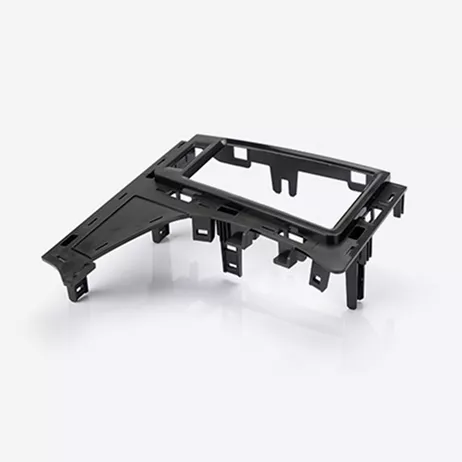
Bridge production refers to an initial, lower-quantity production of a part that can be produced quickly to meet a variety of needs. Additive manufacturing is the most frequently used technology used for this manufacturing method. But other manufacturing methods that have a relatively short turn-around time can also be used, including these in the Elimold portfolio:

cnc machining service Bridge Production

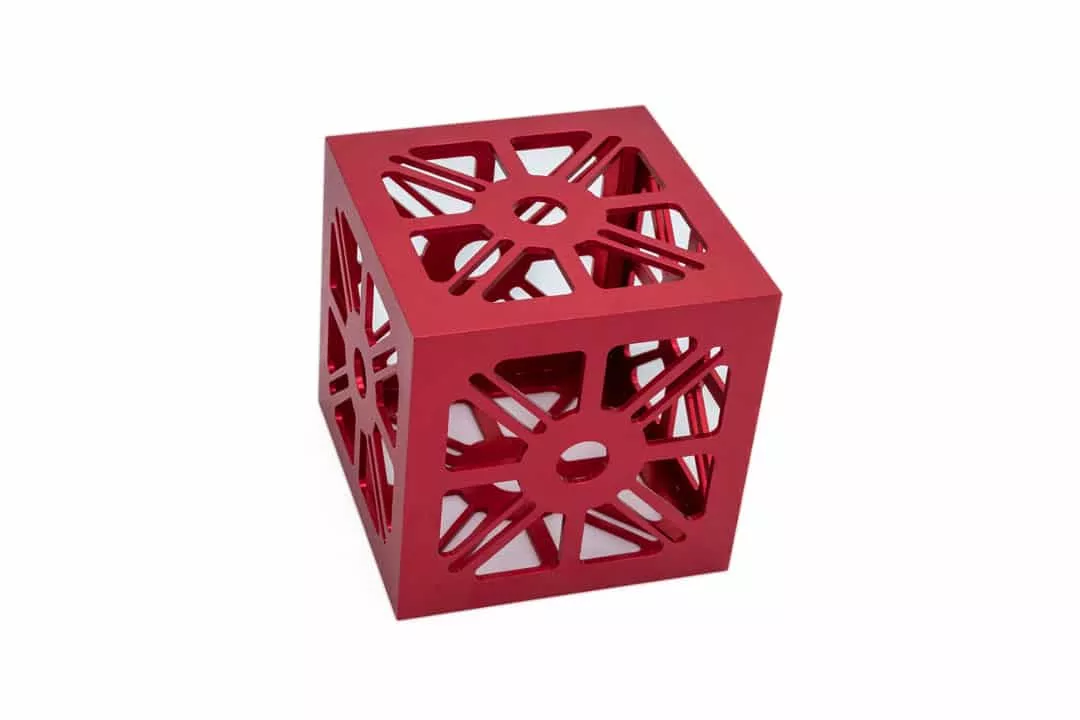
CNC Machining

CNC milling, turning and precision machining. We can make prototypes and end-use parts with precise and complex designs.​
injection molding service Bridge Production

Injection Molding

Plastic injection molding, rapid and production tooling, overmolding, and insert molding. No MOQ required, all while maintaining consistent quality.
Sheet Metal Fabrication service Bridge Production

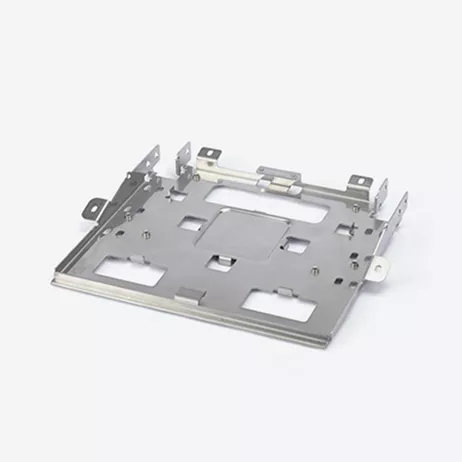
Sheet Metal Fabrication

Laser cutting, bending, welding, punching, riveting, stamping. We offer flexibility to create precise sheet metal prototypes and production parts.
3D Printing service Bridge Production

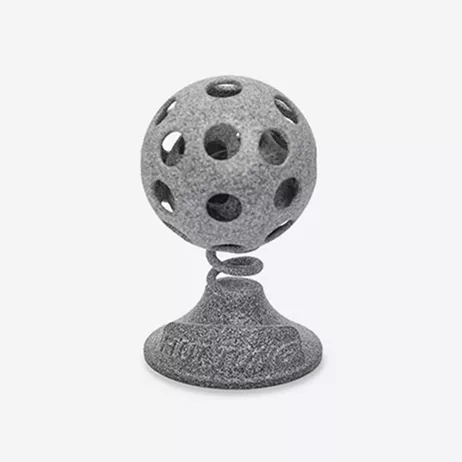
3D Printing

SLA, HP MJF, SLS, SLM technologies for functional prototyping and low-volume production. We manufacture 3d printed parts at competitive price.
Extrusion service Bridge Production

Extrusion

We specialize in extruding aluminum profiles. Offer high quality, low-cost metal extrusions with a variety of post-machining options.
Die Casting service Bridge Production

Die Casting

Choose from Aluminum, Zinc, Magnesium, Copper. High precision die cast metal parts for high-volume needs.
Vacuum Casting service Bridge Production

Vacuum Casting

Fast and cost-effective short-run production for plastic prototypes using soft tooling, a great alternative to low-volume injection molding.
Wire EDM service Bridge Production

Wire EDM

Sinker and wire EDM machining. We can machine sharp inside corners, thin walls, and burr-free parts.

Choose the best option for your project

Bridge Production cnc machining

Rapid Prototyping

Test fit, form, and function with dozens of materials and finishes.

Bridge Production cnc machining

Production

Whether producing 100 parts or one million, start producing with 3D Printing.

Bridge Production cnc machining

Bridge Manufacturing

Bridge Manufacturing uses 3D printing to cost-effectively test designs, produce during tooling/shipping delays, and get to market faster.

Bridge Production cnc machining

Applications

Products enhanced and/or enabled by 3D printing. Explore validated applications that allow for scalability.
Have a design or idea for a new project? Get started with an instant quote today.

Scenarios Where Bridge Production Can Be Valuable

Bridge production can help to solve these four problems:

Sidestep Tooling Delays

What happens when your production tooling is delayed? In the past, you had no choice but to push back your product launch. With bridge production, your manufacturing partner can produce a limited number of parts using a different method, such as additive manufacturing, to fill this gap – enabling you to launch your product on time.

In-Market Testing

Leading companies today often test new product designs with a limited number of customers before doing a full launch. Bridge production provides them with several hundred or several thousand parts so they can gauge customer feedback and make part design tweaks before the full product launch. This approach can also be valuable if customer demand for a new product is unpredictable.

Niche Market Opportunities

Some part-making opportunities are too small to justify making a mold. Bridge production expands the range of products that can be brought to market without expensive tooling.

Fill Supply Chain Gaps

When a supply chain disruption happens, you may be left without an adequate supply of parts to keep your production line running. Bridge production can help to fill that gap.

What is Bridge Production?

Bridge production is a transitional process that bridges the gap between prototyping and mass production. It combines rapid prototyping and additive manufacturing processes and relies on short-form production tools.

The primary goal of bridge production is to produce limited quantities of products. Bridge production allows for testing market demand. It prevents costly errors before full-scale production. Through bridge production, companies can quickly adjust their operations.

In some cases, bridge production may overlap with pilot production, but the main focus of bridge production is validating market demand and design feasibility, while pilot production tests manufacturing scalability. CNC machining manufacturers can use bridge production to test their products without taking full responsibility. Therefore, it prevents defective products from entering the market.

Companies can understand customer feedback by implementing bridge production. This approach allows companies to accelerate operations, reduce expenses, and save costs, thereby enhancing the end-to-end production process.

In the contract manufacturing sector, this production method supports numerous industries by providing scalable end-product manufacturing solutions while optimizing supply chain management and controlling production costs. Whether it’s clinical equipment requiring a rigorous quality management system or electronic products that rely on rapid adaptation to technological changes, bridging manufacturing ensures that products maintain consistent quality and high-quality standards throughout the entire manufacturing process.

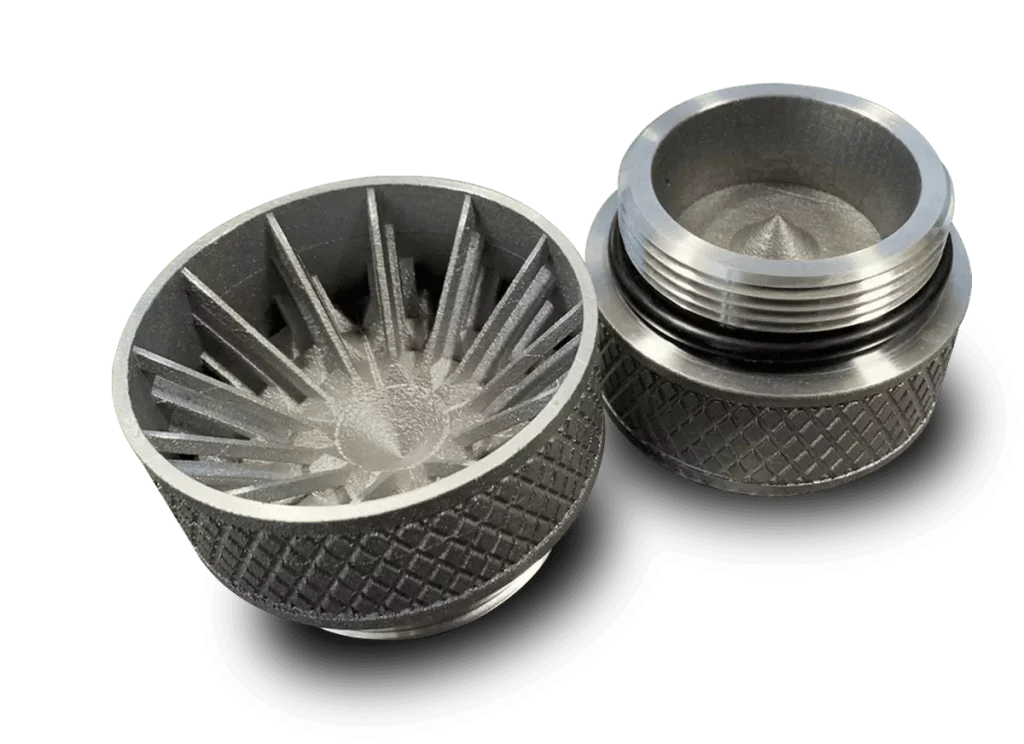
bridge production DMLS parts

The Difference Between Bridge Production and Traditional Manufacturing Methods

Traditional manufacturing methods require establishing production lines optimized for long-term operation based on static product designs. This process typically involves heavy machinery, such as CNC machining and injection molding, and relies on economies of scale to reduce costs. However, it lacks flexibility and cannot quickly adapt to market changes or customer feedback without incurring huge costs.
In contrast, bridge production utilizes technologies such as 3D printing and CNC machining to produce goods whose designs are not yet finalized. This approach not only shortens the product development and delivery cycle but also significantly reduces the risk of product launches. Manufacturers can produce products in small batches, gather information from market testing, and refine product designs without the high costs and investments associated with traditional methods.

The Difference Between Bridge Manufacturing and Low Volume Manufacturing

The manufacturing process from prototype to mass production is achieved through “bridging manufacturing.” Limited production is needed to test the market acceptance of a product. This method allows for rapid design modifications based on customer feedback. Bridge manufacturing is an excellent tool for determining product success without requiring huge investments. It acts as a bridge before scaling up production.
On the other hand, the primary goal of Low Volume Manufacturing is to deliver reliable small batches of products over multiple cycles. This method is the best choice for producing small quantities of high-quality products. Its primary objective is to provide reliable and consistent results throughout the process. In contrast, bridge manufacturing focuses on testing, while small-batch CNC machining focuses on product delivery. This manufacturing approach can meet the needs of specific market segments and individualized customers.

bridge production chart

Benefits of Bridge Production

Thanks to the widespread availability of affordable additive manufacturing and other fast-turn technologies, a growing number of manufacturers are using bridge production to enhance their operations. Its benefits include:

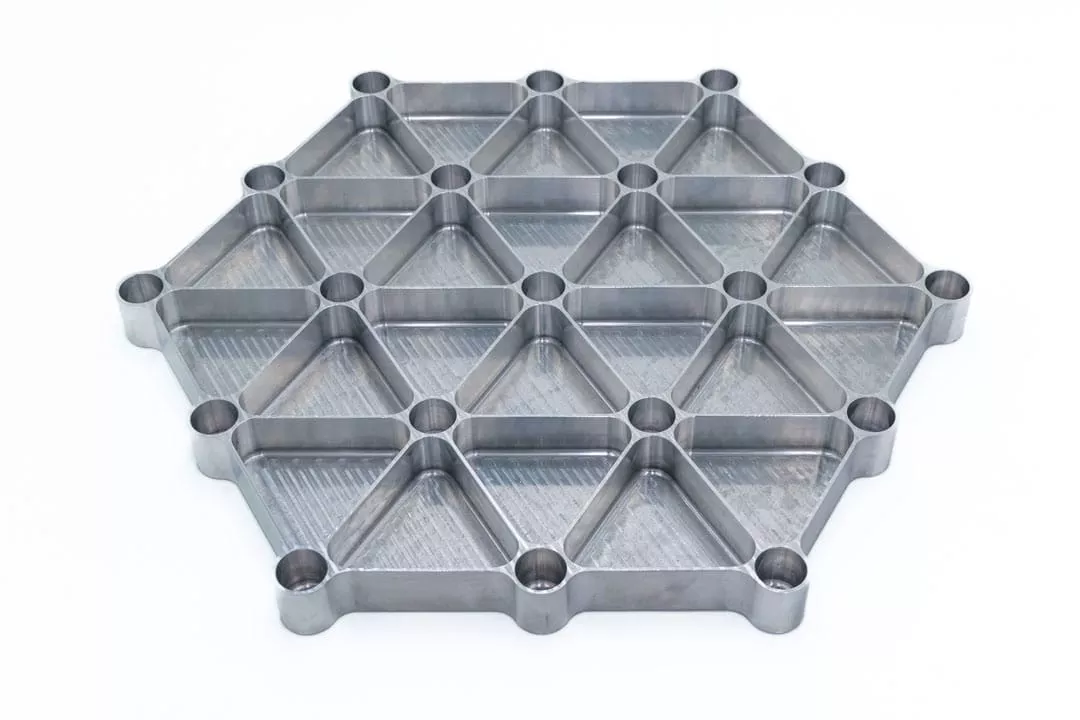
Bridge Production cnc machining part

Accelerate New Product Development

It can help manufacturers bring new products to market faster and at a lower cost.
Bridge Production die casting metal part

Streamline Compliance

Some industries have certification or regulatory compliance processes that must be completed before a product can be launched. Bridge production enables a limited number of parts to be built quickly to meet these needs.
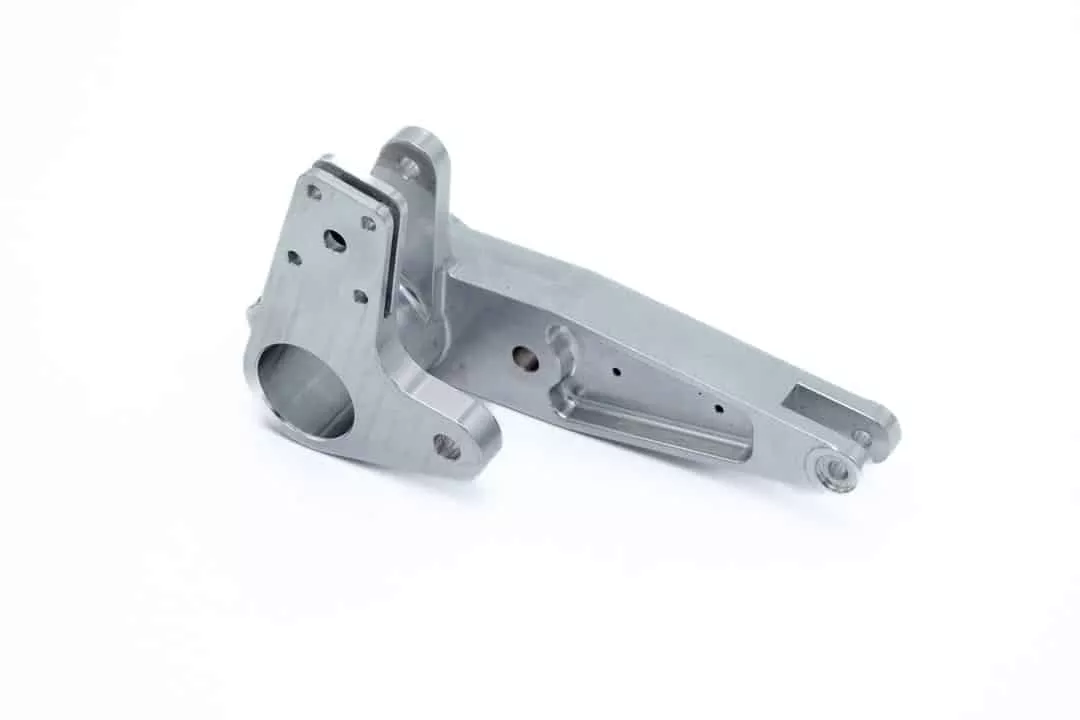
Bridge Production die casting part

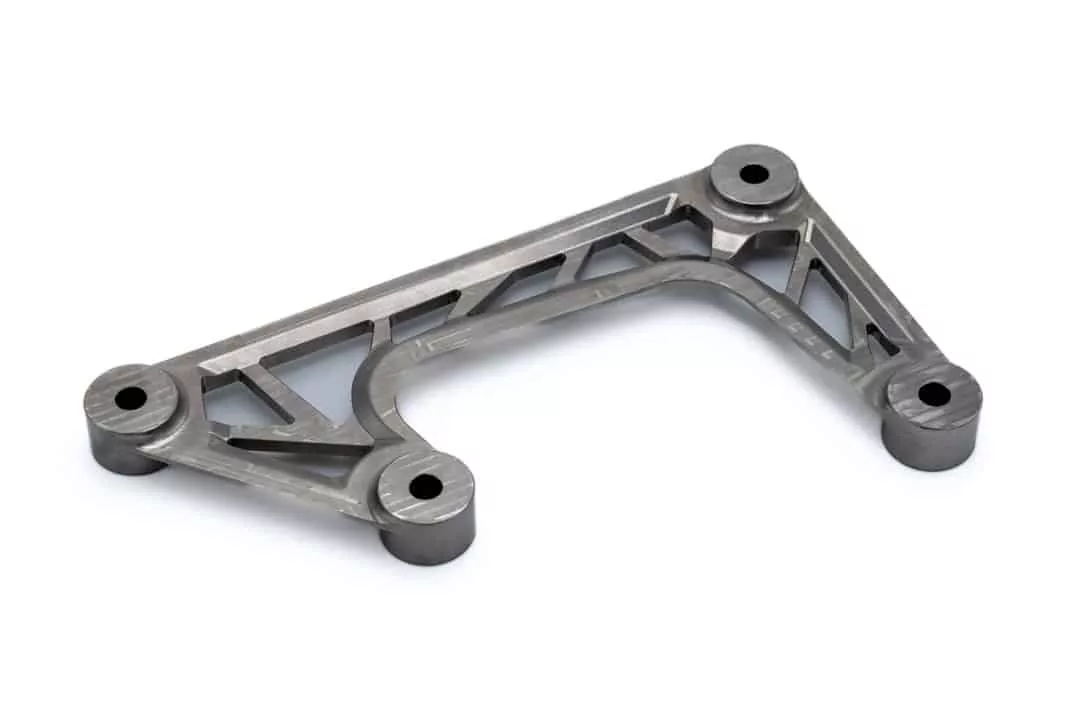
Accommodate Design Changes

They can continue to be made to a part prior to committing to the production of tooling.
Bridge Production metal casting part

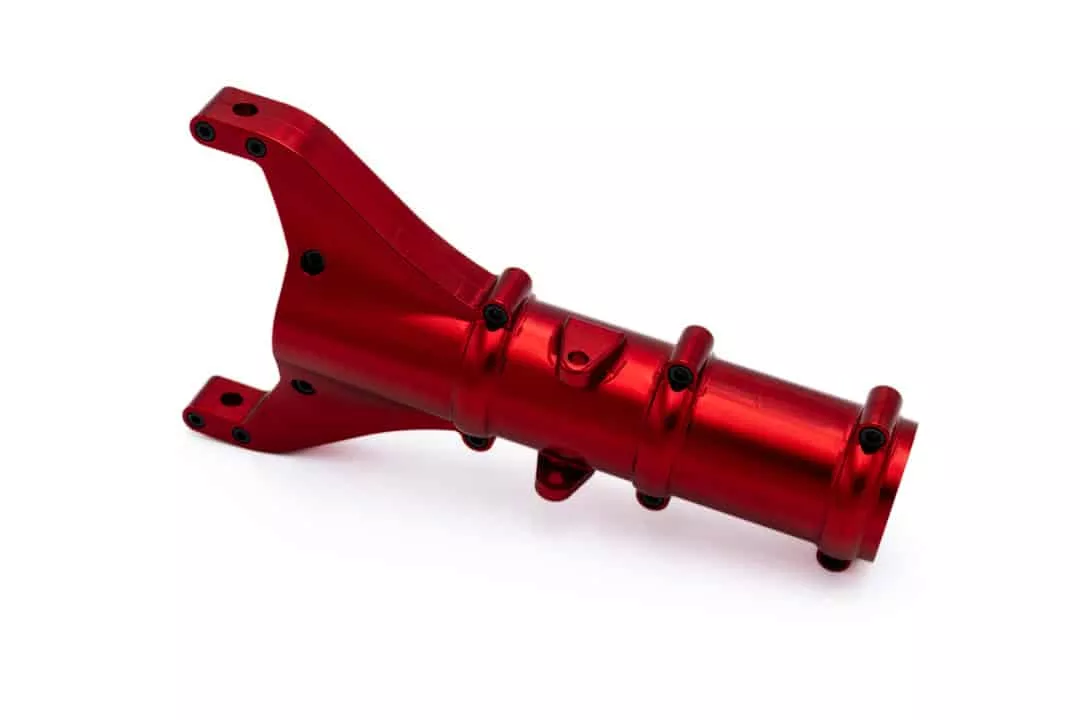
Flexible

Bridge production is flexible – it can continue for as long as the customer requires and may even turn into the primary manufacturing method, if needed.
bridge production New Product Development

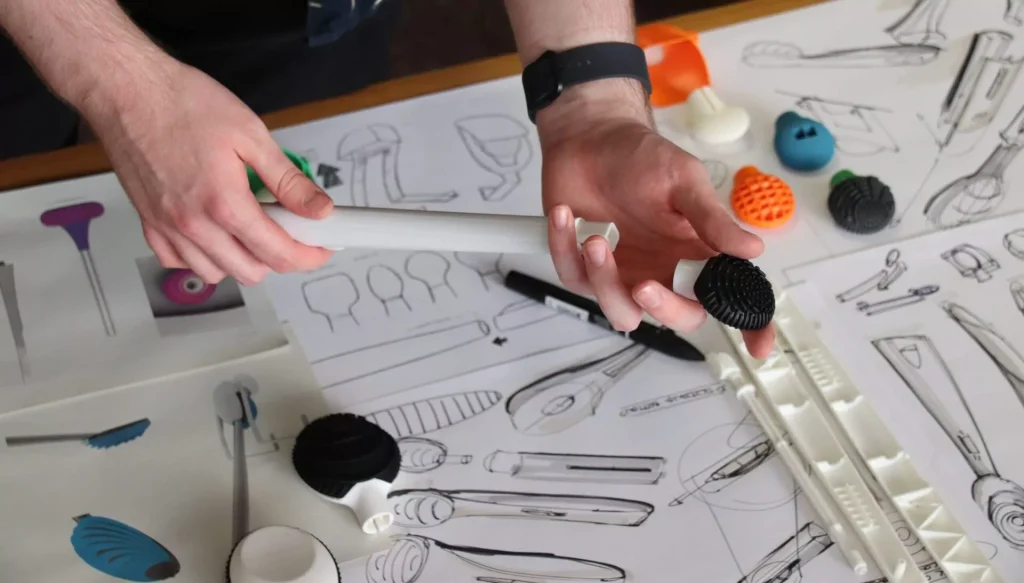
Service Part Solution

It can serve as a viable way to meet customer needs as part demand declines at the end of its life cycle. This is especially valuable for service parts that may no longer be economically viable to make using high-production manufacturing methods.

Bridge Production metal parts.jpeg

How to Get Bridge Production Working for You?

Even if you’ve never tried it before, it makes perfect sense to work with the same manufacturer throughout the product’s lifecycle. This allows you to maintain consistency across different stages, as experience from one cycle can be transferred to the next.
Manufacturing partners like Elimold have the capabilities needed from prototyping to mass production and provide transition production along the way, ensuring that any problems that may arise during the transition are avoided or easily resolved. Because you’re working with a company that has previously manufactured these parts, it also provides a backup plan in case of supply issues. Therefore, every product you produce should include a transition production plan. It can help you in emergencies or serve as a reasonable transition phase in a typical product lifecycle.

Why Choose Elimold for Your Bridging Manufacturing Needs?

Elimold possesses extensive expertise and technology to help you meet your needs faster. Bridging manufacturing is a core competency of Elimold Manufacturing. With our deep engineering and product development experience and over 25 manufacturing methods, we can help you accelerate new product launches. Furthermore, Elimold’s overall goal is to provide comprehensive support to our customers, from early prototyping to bridging production and small-to-medium volume manufacturing. Therefore, when offering advice on manufacturing methods, materials, and processes, Elimold’s engineering team is always goal-oriented, ensuring that proposed improvements maintain excellent performance throughout the entire product lifecycle.

Bridge Production 3D printing prototye parts

FAQ

Transitional production is a fast and economical method of parts manufacturing used between prototyping and full-scale production. It utilizes rapid technologies such as 3D printing and CNC machining to produce small batches of parts for testing and improvement.

Bridging molds (usually aluminum molds) are used as temporary equipment when production molds are not yet ready, the design may change, or only a small quantity is needed.

Transitional production provides small batches of workpieces for market testing and validation, while prototyping focuses solely on concept testing and design adjustments.

It improves ROI by reducing the risks of scaling up production. This avoids costly mold errors and validates the design's feasibility before investing in large-scale production.

Use bridging production when you need to test actual performance with production-grade materials, fulfill early customer orders, or avoid spending large sums on permanent, high-volume molds.

Depending on testing depth and market demand, manufacturers typically produce quantities ranging from tens to thousands of parts.

Its rapid and flexible output capabilities enable companies to quickly respond to demand fluctuations or disruptions, thereby ensuring product supply and reducing overall supply chain risk.

No; bridge manufacturing is a short-term approach and is too costly for long-term, high-volume production.

Bridge manufacturing is a specific phase in the contract manufacturing process, focusing on the transition from prototyping to full-scale production. Contract manufacturing, on the other hand, outsources the entire manufacturing activity to a third-party company.

Bridge manufacturing plays a crucial role in ensuring quality, optimizing production processes, and meeting market demands. It helps outsourced manufacturers achieve rapid production and deliver high-quality products on time at a competitive cost.

Some key challenges in bridge manufacturing include scaling outsourced production without compromising quality, managing supply chain disruptions, and ensuring efficient resource utilization.

Contract manufacturers can enhance their competitiveness by investing in advanced technologies, implementing robust quality control measures, and building strong partnerships with suppliers. By effectively utilizing bridge manufacturing, they can stand out from the competition and attract more business.

Bridge manufacturing allows you to test designs before mass production, minimizing risk and cost. You can address issues early, adjust designs, and improve products using real-time customer feedback.

Rapid tooling accelerates the production of the molds and tooling required for production. It is crucial in bridge manufacturing because it allows for rapid tooling modifications. It reduces the long lead times and high costs associated with traditional methods.

Bridge manufacturing benefits industries such as automotive, aerospace, medical devices, and consumer electronics. These industries must rapidly test and improve components before mass production while maintaining low costs.

Bridging production helps you transition from the prototype stage to the product launch stage faster. You can improve your product with minimal investment and transition to full-scale production more smoothly and quickly.

Bridging production is ideal for startups because it reduces upfront costs and helps you test your product before going into mass production. You can get high-quality components at lower prices and with shorter lead times.

Look for a service provider with a proven track record, advanced equipment, and expertise in your industry. A good provider should be able to guide you through the entire process and offer customized solutions based on your specific needs.

Challenges include finding the right technology and tools, managing short timelines, and quality control in small-batch production. However, with the right team, these challenges are easily overcome.

Get a Quote Today!

By choosing the Elimold, you gain a reliable partner that prioritizes speed, efficiency, quality, flexibility, and collaboration. We can help you navigate the bridge production stage efficiently and ensure a successful transition to full-scale manufacturing when you’re ready.

Scroll to Top