
Cast Iron CNC Machining
Looking for reliable, high-precision CNC machining services for cast iron? Elimold provides manufacturers, engineers, and machinists worldwide with superior craftsmanship and fast delivery cycles to meet their relentless pursuit of excellence.
Looking for a CNC Machining Supplier for Cast Iron?
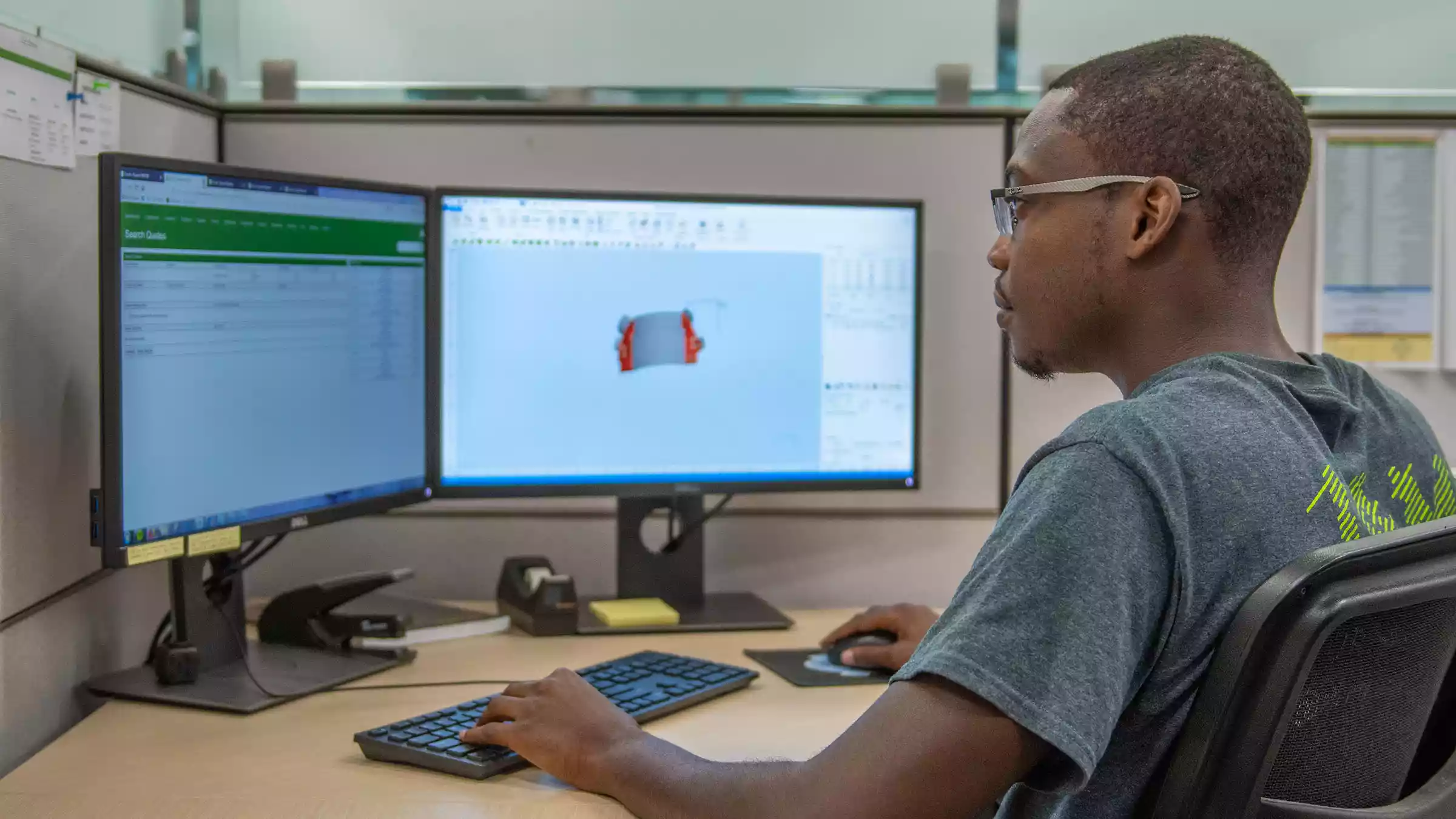
If you’re looking for a professional CNC machining supplier offering high-quality, high-precision CNC-machined cast iron parts, Elimold is one of the most cost-effective and reputable manufacturers. For many years, we have been dedicated to the R&D and production of CNC-machined cast iron parts, providing high-quality CNC machining, milling, and turning services at affordable prices. With strong R&D capabilities, production capacity, and comprehensive after-sales service, we have become a leading manufacturer in the industry. As one of the most technologically advanced cast iron machining manufacturers in China, we have invested heavily in equipment and talent. Therefore, we are able to provide a full range of services and allow cast iron machinists to choose the appropriate engineering support according to their needs. You can upload your CAD files to get a free online quote, and our engineers will help you improve your design and reduce costs.
One-Stop Cast Iron Machining Service
At Elimold, design, casting, machining, surface treatment, and shipping are all completed within the same facility. Our designers and machining engineers work side-by-side with one goal: to design the best cast iron machining solutions for our clients.
We have integrated all production processes into our modern factory, so clients don’t need to worry about outsourcing and long lead times. Our seamless machining processes improve efficiency and enable greater flexibility and customization, as we can quickly adapt to meet specific client needs. Whether the structure is simple or complex, we strive to provide precision engineering solutions for cast iron machining.
What is Cast Iron?
Cast iron refers to cast iron alloys with a carbon content greater than 2%, containing silicon and small amounts of elements such as manganese, phosphorus, and sulfur. Sometimes, to improve the mechanical or physicochemical properties of cast iron, alloying elements are added during processing, resulting in alloy cast iron.
As the carbon content increases, the melting point decreases, making cast iron easier to cast. This is due to the eutectic solidification phenomenon, where adding another substance to a pure substance lowers its temperature at which it transitions from a liquid to a solid state. Cast iron has a wide range of applications, from mechanical parts and industrial products to everyday items like water pipes and manhole covers.
Types of Cast Iron
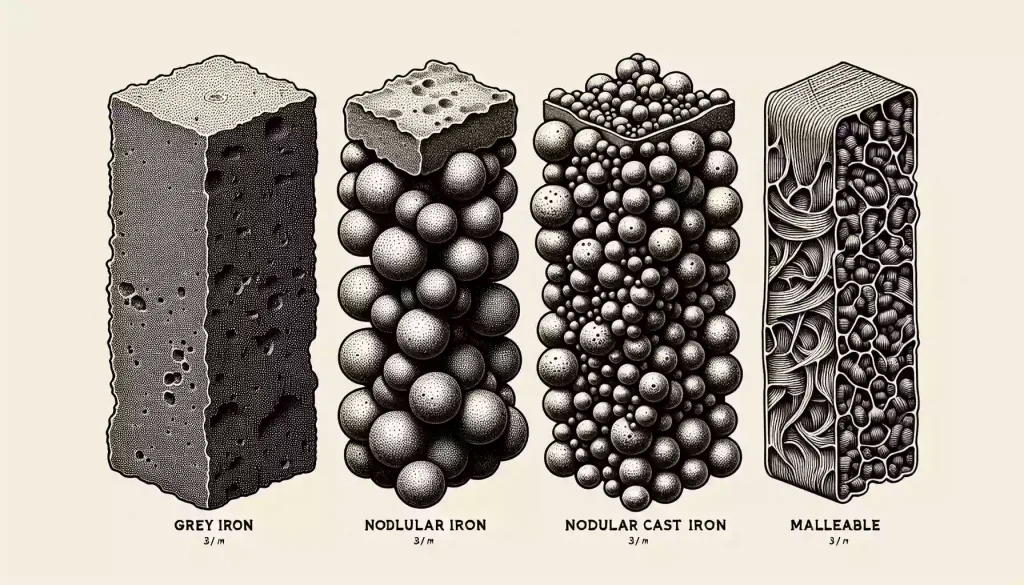
Cast iron can be classified into several types based on factors such as additives, carbon content, and manufacturing methods, each type possessing different characteristics. The types of cast iron and their respective characteristics are as follows:
Grey Cast Iron
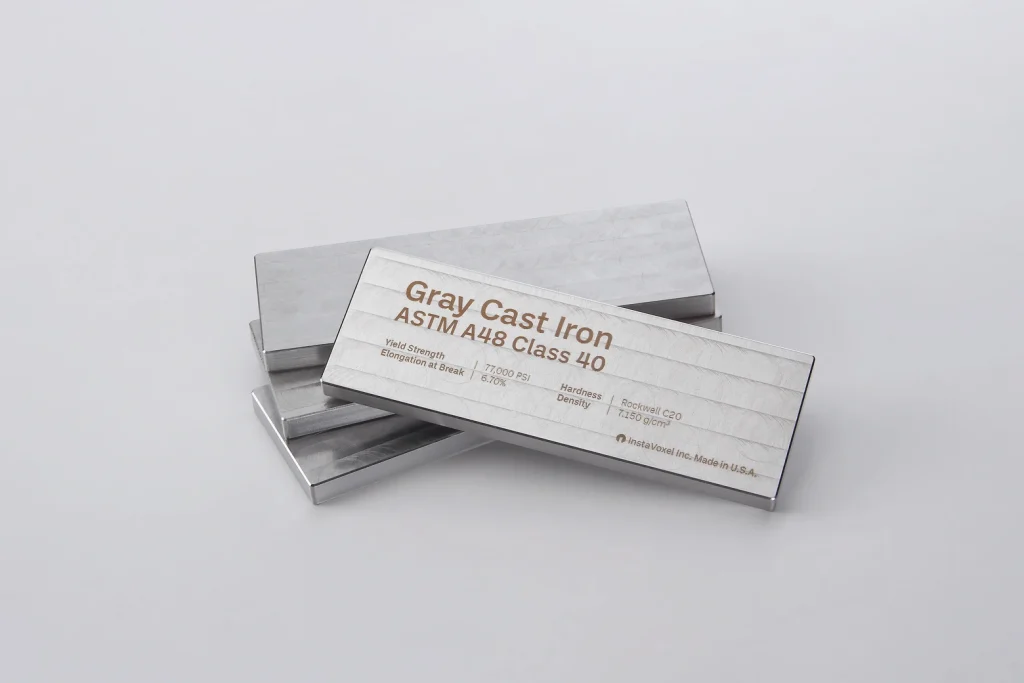
Grey cast iron features a graphite microstructure consisting of many small fractures. Its name comes from the presence of these small fractures, which create the appearance of a grey color. It’s used in applications where its high stiffness, machinability, high heat capacity, vibration dampening, and high thermal conductivity are advantageous. Examples include cylinder blocks, flywheels, gearbox cases, manifolds, disk brake rotors, and cookware.
White Cast Iron
While not as common as grey cast iron, white cast iron is another widely used cast iron grade. Its off-white color is the result of iron compounds known as cementite. Like grey cast iron, white cast iron features many small fractures. It’s wear-resistant yet brittle, and the material exhibits high hardness as a result of a microstructure that contains large iron carbide particles. White cast iron is ideal for abrasion-resistant parts for which brittleness is of little concern. Examples include shell liners, slurry pumps, ball mills, lifter bars, extrusion nozzles, cement mixers, pipe fittings, flanges, crushers, and pump impellers.
Malleable Cast Iron
Malleable cast iron is the most easily workable of all cast iron grades. It’s typically produced by heat-treating white cast iron. The white cast iron is heat-treated for up to two days and then cooled. When finished, it’s bent sand manipulated to achieve unique shapes and sizes. This cast iron grade exhibits good malleability and ductility. With a lower silicon content, it presents excellent fracture toughness at low temperature. Malleable cast iron is used for electrical fittings and equipment, hand tools, pipe fittings, washers, brackets, farm equipment, mining hardware, and machine parts.
Ductile Cast Iron
Commonly called nodular cast iron, ductile cast iron is a type of soft, ductile iron alloy with high carbon content. It’s commonly made with trace amounts of other compounds, including magnesium and cerium. This material is more ductile than grey or white cast irons. It’s used for piping found in water and sewage infrastructure. Ductile cast iron can also stand up to thermal cycling, which makes it perfect for gears, suspension components, brakes, valves, pumps, and hydraulic parts, and wind turbine housings.
Cast Iron Properties
You must understand what you are studying before you work on it. These are the main reasons cast iron stands out:
- High Strength Under Pressure: Great for parts that have to face large static loads
- Strong Damping Performance: Helps reduce vibration, ideal for the base of a machine
- Wear Resistance: The material can last for a long time in places where it could be abraded
- Tensile Strength (in gray iron):Pieces can break easily under tension
- Ductility Changes: Ductile iron can bend more than gray iron, which is relatively stiff
Full Production Support Team
We have a team of manufacturing experts working behind the scenes to fulfill your production order, we manage the entire process and keep you updated along the way.
Account Manager
Applications Engineers
Logistics
Quality Control
Tell Us About Your Nodular Cast Iron and Other Cast Iron Machining Needs
Tell us about your casting needs and get a detailed quote, lead-time estimate, and expert advice.
What is CNC Machining of Cast Iron?
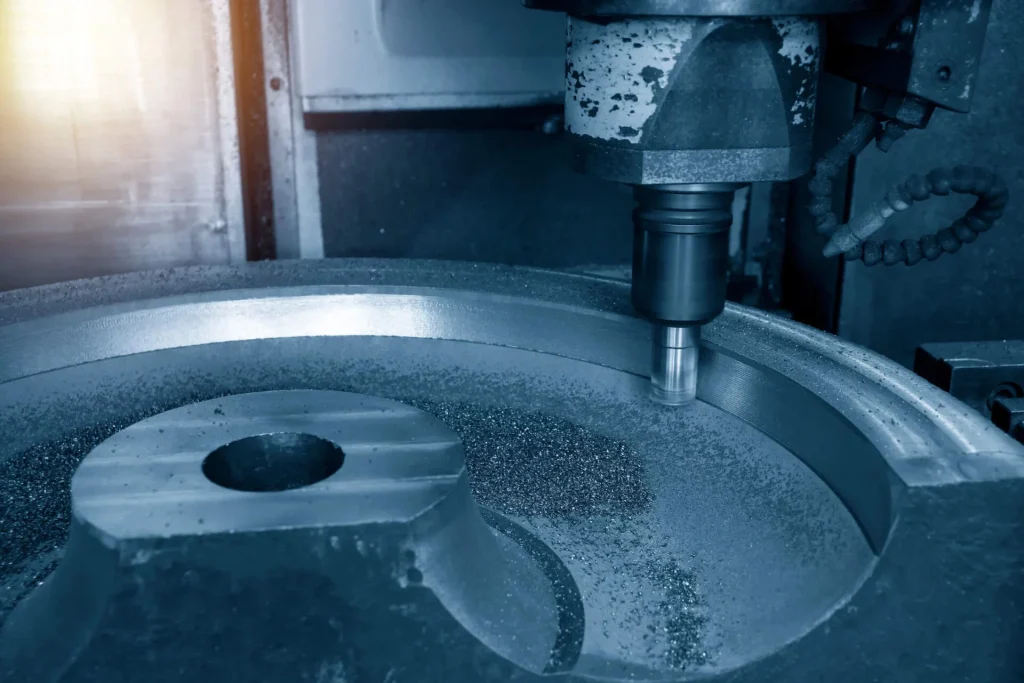
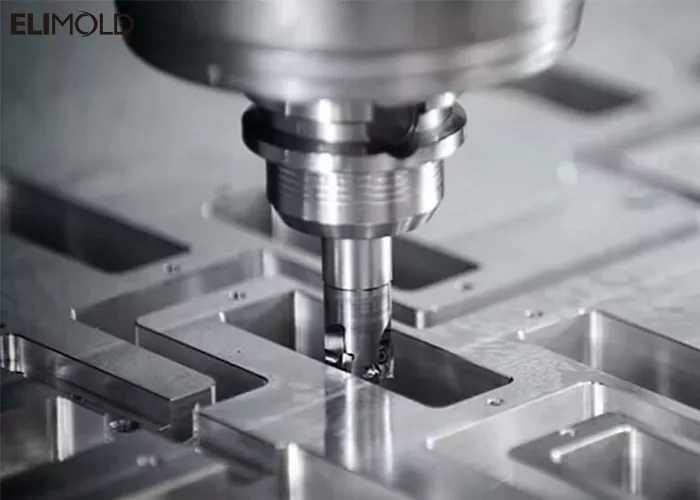
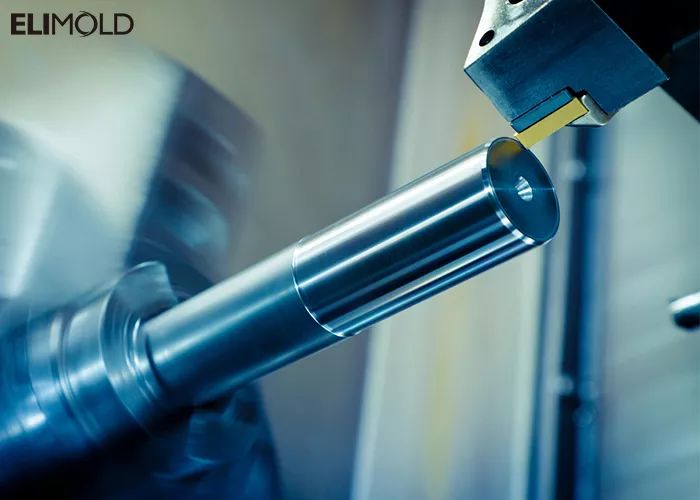
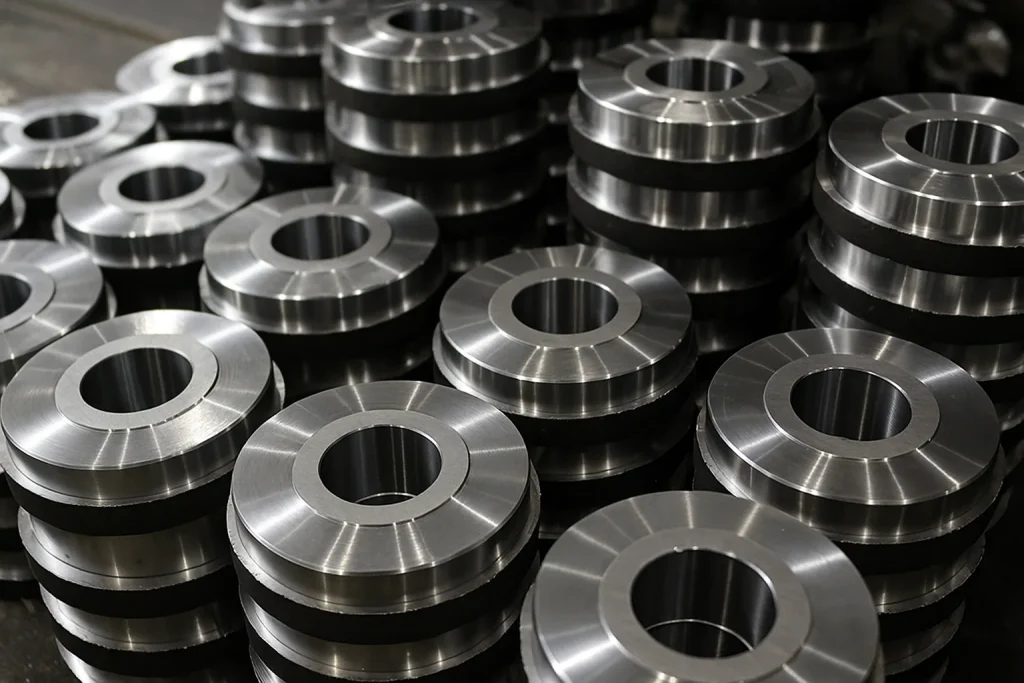
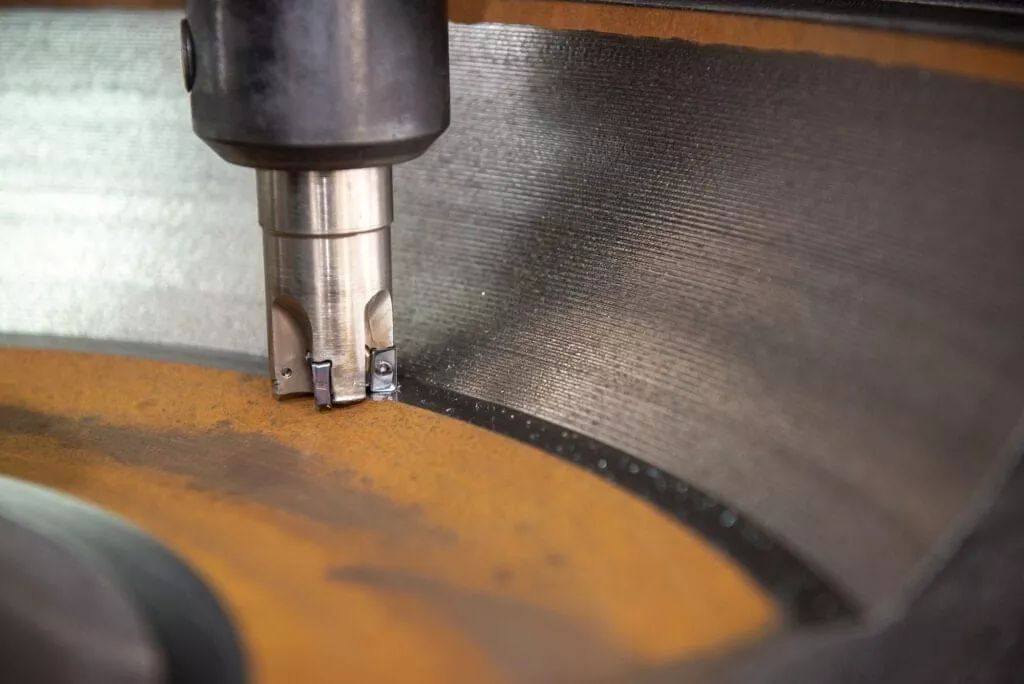
CNC machining of cast iron is a subtractive manufacturing method. It enables the extremely precise production of complex parts made from castings, bars, or cast iron plates. The process begins with a Computer Numerical Control (CNC) machine tool, which can be programmed to precisely cut parts from a block of material to specifications. This allows for the manufacture of geometrically complex parts with precise tolerances, which are difficult to achieve using traditional manual machining or forming methods. Because CNC machining can produce high-precision parts, it offers advantages such as short setup time and low cost, making it ideal for small-batch production or time-sensitive applications. With the ever-increasing demand for reliable, high-precision parts, CNC machining of cast iron is rapidly becoming one of the most commonly used processes in modern manufacturing.
Utilizing Advanced Machining Technology to Create High-Quality Cast Iron Solutions
We specialize in custom machining of cast iron components. Our state-of-the-art machining workshop and streamlined processes ensure a smooth workflow from start to finish. We are more than just a machining plant; we are your production partner. We have a wide network of rigorously selected secondary service providers and offer managed milling services for cast iron.
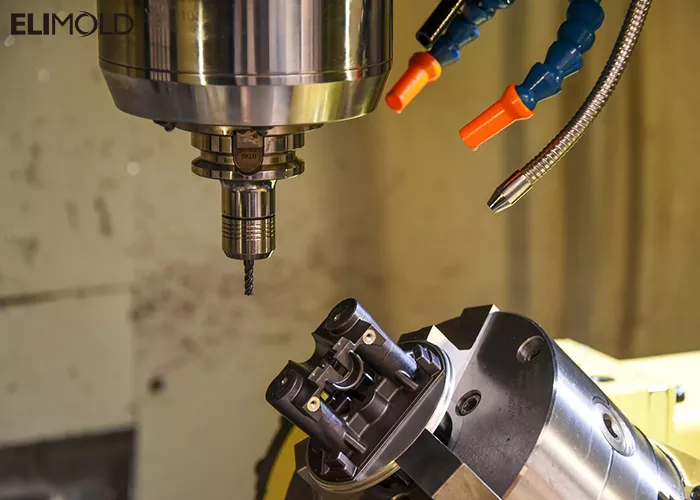
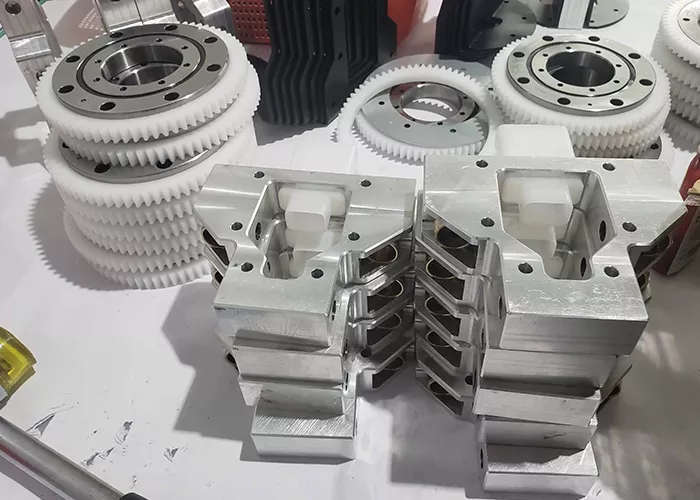
With our in-house factory’s advanced automated machining centers and lathes, we can efficiently machine your castings into parts ready for direct assembly. Our integrated machining solutions ensure high efficiency and precision at every step of the machining process for all types of cast iron, including gray cast iron and ductile iron. Choosing us for your precision cast iron and gray cast iron machining services saves you time and money by avoiding the management of multiple secondary processing suppliers.
State-of-the-art Cast Iron Machining Workshop
Our machining workshop is equipped with a range of advanced and innovative machinery, including various automated and manual machining centers. From BA 422 and Hüllerhille 630 machine tools to Mazak and Heller automated equipment, we have carefully selected these machines to ensure the highest precision and efficiency.
We are capable of machining parts weighing from 0.2 kg to 50 kg (or 0.4 lbs to 110 lbs) and with dimensions up to 800 x 800 mm (or 31.5 x 31.5 inches). Our expertise covers the machining of various cast irons, including gray cast iron (GJL) and ductile iron (GJS, also known as SG, ductile iron or ductile cast iron). Our assembly capabilities cover all components from bearing housings to shafts. Furthermore, we offer cleaning and shot peening services to ensure perfection and deliver the highest quality results.
Strict Quality Control
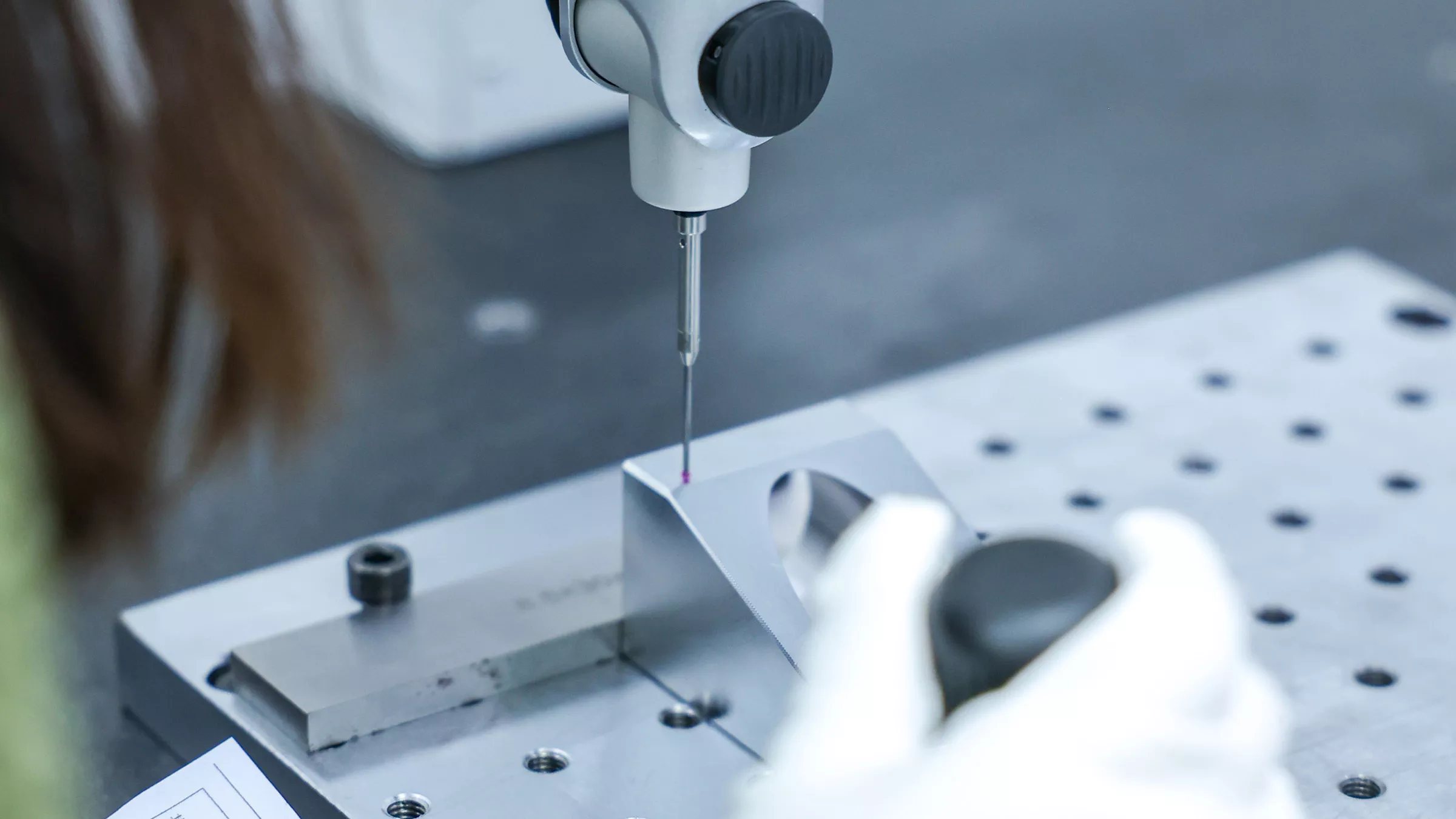
Our unwavering commitment to quality is reflected in our adherence to industry standards and certifications. We employ advanced technologies such as coordinate measuring machines (CMM) and 3D scanning to meticulously inspect each machined part, ensuring dimensional accuracy, surface finish, and compliance with specified tolerances. This guarantees that every part, whether CNC-machined, turned, or milled, meets the highest standards of quality and reliability.
We also conduct comprehensive mechanical property testing on cast iron parts, including hardness testing, microstructure analysis, and metallographic testing, to verify the integrity and performance of the material. By implementing comprehensive quality control measures, we can identify any deviations or defects early in the production process, allowing for timely adjustments and corrections at every stage to maintain the superior quality of our products.
Our quality control extends beyond individual parts, encompassing the entire production process. By continuously monitoring and optimizing machining parameters, tools, and equipment, we strive to minimize variability and ensure consistent quality across all batches.
The Importance of Cast Iron Machining Quality Certification
When choosing a cast iron machining partner, it is essential to seek out companies with authoritative quality certifications. Leading standards such as ISO 9001 are significant, demonstrating a company’s commitment to rigorous quality management, consistency, and traceability throughout the manufacturing process. These certifications help ensure that every part meets stringent specifications, which is particularly important for industries such as aerospace and defense. By partnering with machining suppliers who have obtained these standard certifications, you can be confident that your parts will be produced with the highest level of meticulousness and professionalism.
Surface Finishing Options for Cast Iron CNC Parts
Bead Blast
Black Oxide
Heat Treat
Electroless Nickel Plating
Polishing
Zinc Plating
Gold Plating
Silver Plating
Powder Coating
Brushing

Why choose to partner with Elimold?
We possess a deep understanding of the art of precision machining cast iron, enabling us to create high-quality components that meet the most stringent quality standards. With advanced CNC machining equipment and a highly skilled technical team, we seamlessly blend cutting-edge technology with the enduring durability of cast iron to provide you with comprehensive solutions. From automotive parts to industrial machinery components, we tailor services to meet the demands of every industry seeking precision, reliability, and superior surface finishes.
Through a profound understanding of the unique properties of cast iron, we continuously refine our machining processes to ensure consistently superior quality, regardless of the complexity or size of the work. Our commitment to pushing the limits of technology, coupled with our relentless pursuit of quality and precision, makes us the ideal partner for customers who seek not just components, but also exceptional engineering solutions.
FAQ
No, it cannot process both materials simultaneously because they are different and require separate molds and optimal settings.
Tolerance guarantees depend on the shape and composition of the part, typically ±0.005 mm.
Yes, especially ductile cast iron, as it is stronger and more stable than other types of cast iron.
Of course. We can provide rapid prototyping, small-batch orders, and mass production services.
Production time depends on the complexity and quantity required, but is typically 5-15 working days.
Cast iron can be CNC machined twice as fast as most steels with less tool wear. It is a reliable wear-resistant material and ideal for absorbing vibration. Cast iron can be heat-treated without deformation or carburizing. It is 10% lighter than steel, and its damping properties make its gear sets run more quietly, yet its cost per pound is similar to that of steel.
The hazards of cast iron dust are no greater than those of other machining dust. As with all CNC machining, it is recommended to wear a suitable mask when CNC machining cast iron to prevent dust inhalation. Vacuum filters can also be used to remove dust from enclosed machine tools when machining cast iron.
Cast iron is suitable for dry machining because of its good thermal conductivity and the graphite in it acting as a lubricant. Dry machining is also a good way to extend tool life, especially when machining cast iron.
The main types of cast iron commonly used in machining are gray cast iron, ductile iron, and malleable cast iron. Each type of cast iron has specific properties suitable for different applications.
Choosing the right cutting tools, such as carbide cutters, end mills, or ceramic inserts, is crucial for efficient machining of cast iron. These tools offer advantages such as high hardness, good wear resistance, and the ability to withstand material abrasion, thus affecting tool life and surface finish.
We use a hybrid delivery model. Some cast iron machining is done in-house; other projects are outsourced to vetted Canadian partners based on dimensions, tolerances, and ranges.
We support large castings up to approximately 2 meters in length and 1.5 meters in width using in-house and partner facilities equipped with heavy-duty jigs and overhead cranes.
Let's Start A New Project Today
Contact Elimold today for a free quote and let us help you bring your design to life. We are committed to providing superior quality, competitive prices, and outstanding customer service.