Invar CNC Machining
Elimold offers comprehensive Invar CNC machining services, from prototyping to mass production, providing you with high-precision custom Invar parts. Our in-house factory’s advanced equipment and top-notch machining technology enable tight tolerances of ±0.01mm and fast delivery. Contact us now.
Looking for a partner for CNC machining of Invar alloys?
Are you tired of machining workshops refusing to quote for Invar machining projects? Finding a workshop willing to machine Invar is difficult enough, let alone one specializing in this notoriously difficult material. Elimold boasts extensive experience, expertise, and advanced CNC equipment in the field of Invar machining. We also have a professional team offering custom design and manufacturing services, providing unique solutions for your complex component problems.
While other machining workshops shy away from Invar machining, the Elimold team is fully prepared to conquer this challenging material! From machining techniques to investments made to protect Invar parts, we are able to meet all your Invar alloy custom part machining needs.
Simplify CNC Production Start-up
Leverage the comprehensive support of our experienced production experts to achieve high-volume production of custom Invar material parts. Elimold’s engineering team possesses years of knowledge and experience in machining Invar materials, coupled with our in-house factory’s full range of modern equipment, enabling us to provide a one-stop sourcing service from rapid prototyping to high-volume production. Therefore, by partnering with us, you can enjoy highly competitive pricing through economies of scale and obtain the necessary quality certifications, ensuring your products are ready for market and meet end-user needs at any time.
Professional Invar Machining Capabilities
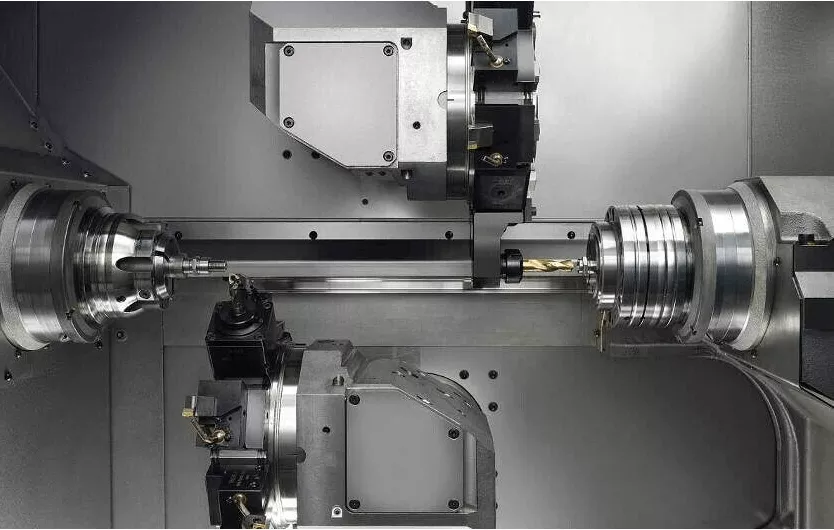
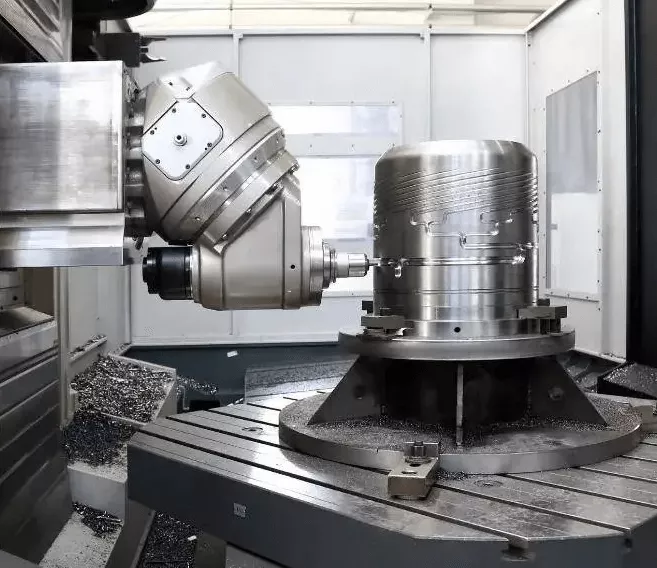
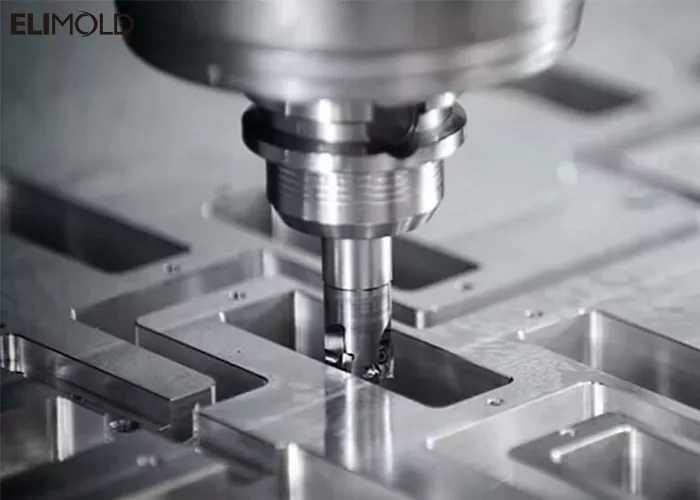
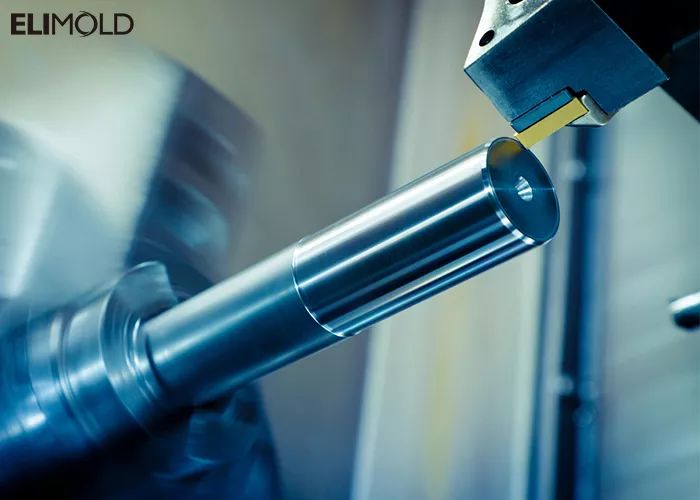
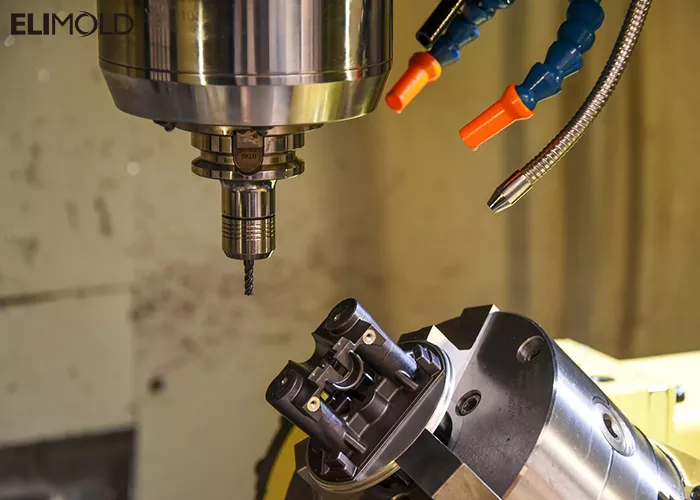
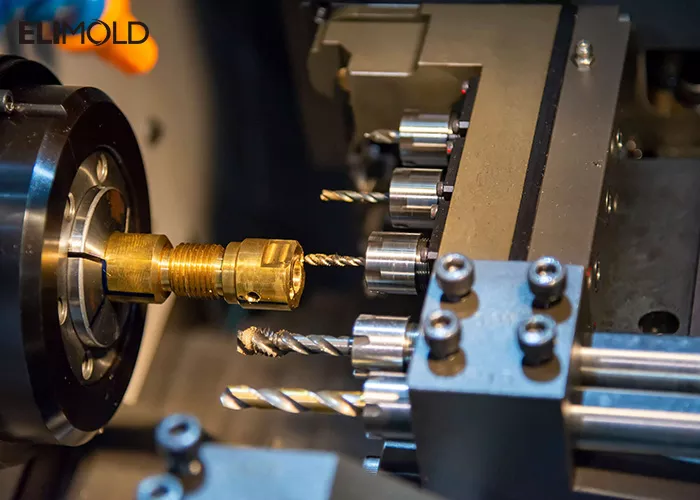
Elimold is a trusted brand for Invar machining services. Leveraging CNC technology and state-of-the-art equipment, we are capable of performing complex machining operations on Invar alloys using a wide range of CNC machining techniques. Our advanced machining capabilities encompass four-axis and five-axis milling, Swiss-type lathe machining, and even micro-machining. This allows us to manufacture parts with the highest precision and smallest tolerances. We can achieve tolerances as small as 0.0005 inches.
Furthermore, we can machine Invar alloy parts with dimensions up to 1500mm x 800mm x 600mm, meeting the needs of most industrial applications. Our advanced CNC machining centers can precisely machine complex geometries, including internal channels, complex surfaces, and high-precision holes. Our equipment handles fine features and tight tolerances, ensuring your design intent is perfectly realized.
What is Invar?
Invar is a unique nickel-iron alloy with controlled expansion. This nickel-iron alloy, Invar, was discovered by Charles Edward Guillaume in 1896. This remarkable discovery has continued to develop, giving rise to many other alloys and their applications, contributing significantly to scientific advancements.
Invar is an iron alloy containing 35.4% nickel. It has an extremely low coefficient of thermal expansion at room temperature (between -20°C and 20°C) (average approximately 1.6 × 10⁻⁶/°C). At temperatures up to 400°F (204°C), Invar’s coefficient of thermal expansion is about one-tenth that of carbon steel. As a low-expansion alloy, Invar possesses the lowest coefficient of thermal expansion of any metal and alloy in the range from room temperature to 230°C.
Furthermore, Invar cannot be strengthened by heat treatment. Its properties are similar to austenitic stainless steel, but it is more difficult to machine. Its machinability is primarily reflected in cutting forces and cutting temperatures. During processing, Invar alloys are also characterized by their softness, viscosity, and good plasticity, making them difficult to break into chips, which exacerbates tool wear and reduces workpiece machining accuracy. Therefore, high-performance tools must be used.
List of Invar Alloy Grades
The following are Elimold’s commonly used Invar material models. Please contact us for available grades and alloys. We will do our best to meet your project requirements if you have specific needs.
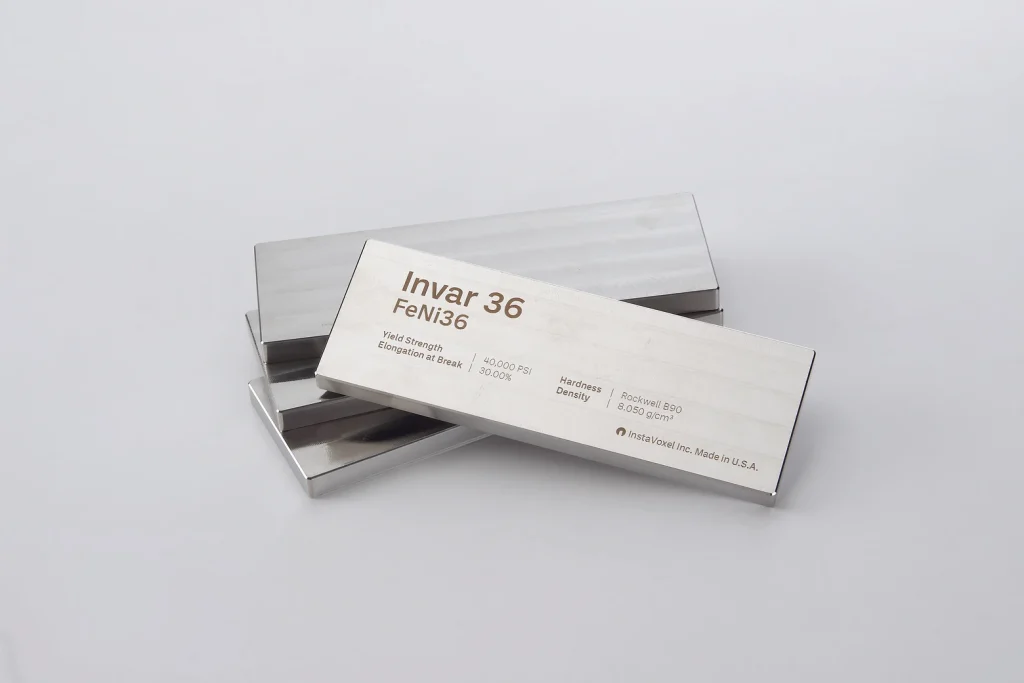
Invar Alloy 36
Invar Alloy 36 is the most commonly used alloy. It has an extremely low coefficient of thermal expansion, providing excellent dimensional stability for precision parts. Therefore, it is widely used in the aerospace and instrumentation industries. Invar Alloy 36 performs excellently in machining, enabling tight tolerance control.
Invar Alloy 42
Invar Alloy 42 has higher strength than Invar Alloy 36, while also exhibiting better wear resistance and durability. This grade is ideal for tools and parts subjected to high stress. Furthermore, it maintains a low coefficient of thermal expansion even under harsh conditions. Therefore, Invar Alloy 42 is highly regarded for its excellent mechanical properties.
Invar Alloy 48
Invar Alloy 48 possesses strength and thermal stability, and is often used in precision machining. This alloy remains stable even under varying temperatures. Although it is not as popular as other Invar alloy varieties, it is still very effective.
FeNi42
FeNi42 is a dimensionally homogeneous nickel-iron alloy. It is widely used in the machining of parts in high-temperature environments. It possesses good machinability and thermal stability. FeNi42 balances the performance and reliability of precision parts.
FeNi36
FeNi36 is a standard low-expansion Invar alloy. We recommend this grade for temperature-sensitive parts. It also possesses good mechanical and thermal properties. FeNi36 facilitates the precision machining of critical components.
Advantages of Invar
- Low coefficient of thermal expansion
- High dimensional stability
- Excellent resistance to corrosion
- Good mechanical properties at low temperatures
- Minimal thermal expansion mismatch with other materials
- Suitable for precision instruments and applications
- High tensile strength
- Non-magnetic
- Thermal conductivity
Why should you choose machined Invar for your project?
Machined Invar alloys are ideal for your project due to their unique properties. This nickel-iron alloy has an extremely low coefficient of thermal expansion, making it minimally affected by temperature variations. Its stability and precision make it perfect for applications with extremely high tolerance requirements, such as optical instruments, scientific instruments, aerospace components, and specialized manufacturing tools. With Elimold’s expertise in precision machining, you can trust that we can manufacture your Invar alloy parts to the highest standards, ensuring the success of your project.
Ready to Start Your Invar Machining Project?
Elimold offers precision Invar CNC machining services with over 10 years of experience and industry-certified quality assurance. Contact us today or request a quote to begin your collaboration.
Custom Invar Machining Parts
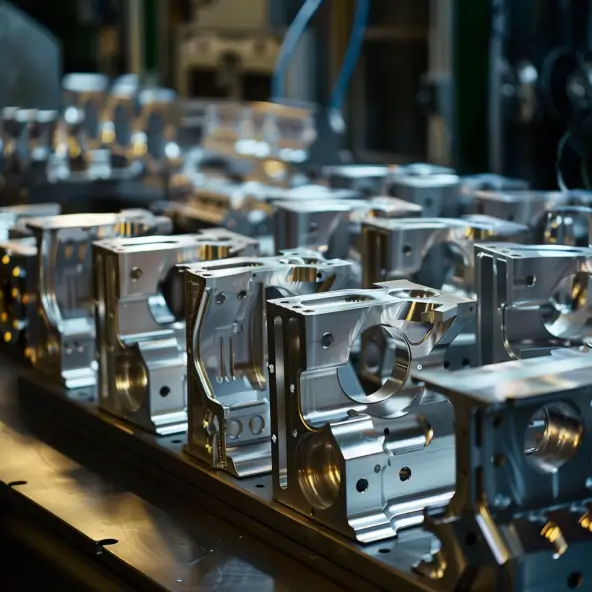
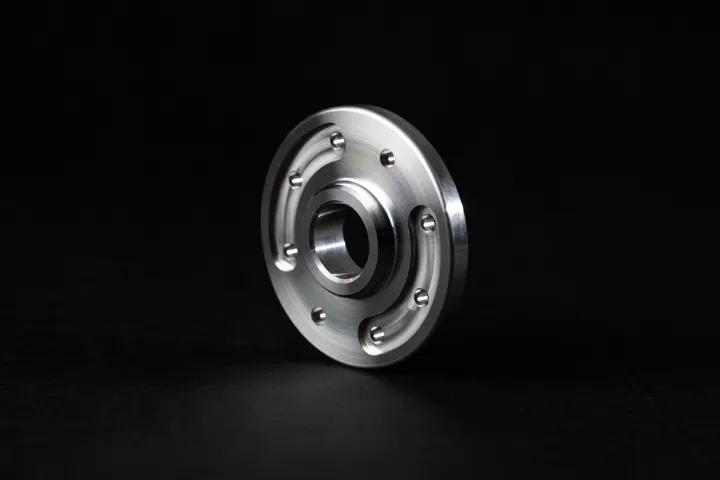
Elimold machines a wide range of Invar alloy parts, supporting industries requiring precise measurement and material stability. Our experienced team works closely with clients to ensure parts are produced to meet their specific needs. From simple shapes to small, complex components, we can handle it all. Each part is meticulously crafted to ensure excellent performance in harsh application environments.
We specialize in prototyping and small-batch production, and we welcome the challenges that come with these projects. Whether it’s special materials or extremely high tolerances, we are willing to go all out and dedicate our full efforts to each project. We can handle projects of any upfront investment or quantity and have extensive technical experience in manufacturing extremely complex parts.
Quality Control
Elimold consistently adheres to stringent quality control measures throughout the Invar alloy machining process. We employ advanced inspection technologies, including dimensional measurement, visual inspection, and non-destructive testing, to ensure that machined parts meet required specifications and quality standards. We also utilize a Zeiss coordinate measuring machine for in-process and final inspections.
Comprehensive Invar CNC Custom Parts Solutions
We take every project seriously. Our experts strictly adhere to established procedures throughout the production process. Furthermore, our technical department carefully reviews your CAD files to ensure optimal production and processing. We offer design optimization suggestions when necessary. This helps reduce delays, shorten delivery times, and ensure a smooth workflow from start to finish.
Whether it’s a single prototype or small-batch production, our processes ensure consistency and repeatability. We strictly adhere to the most stringent inspection procedures according to ISO quality standards. All parts undergo in-process and final inspections to verify dimensional and surface quality.
Our packaging ensures your parts are properly protected and ready for shipment. Most importantly, we are committed to providing precise, reliable, and superior service. When your application requires high precision and thermal stability, our robust Invar machining capabilities deliver proven results.
How do we handle your rush orders?
We can shorten the production time for rush orders. If you require faster delivery, please inform us when placing your order. Rush orders incur an additional charge, the specific cost of which depends on the current production schedule and the complexity of the parts. Prioritizing your order, we can typically shorten the delivery time to 1-7 days. Our team is dedicated to meeting your delivery deadlines and ensuring you receive the parts you need on time, even for urgent projects. Please contact us directly to discuss your specific needs and rush options.
Invar Surface Finishes
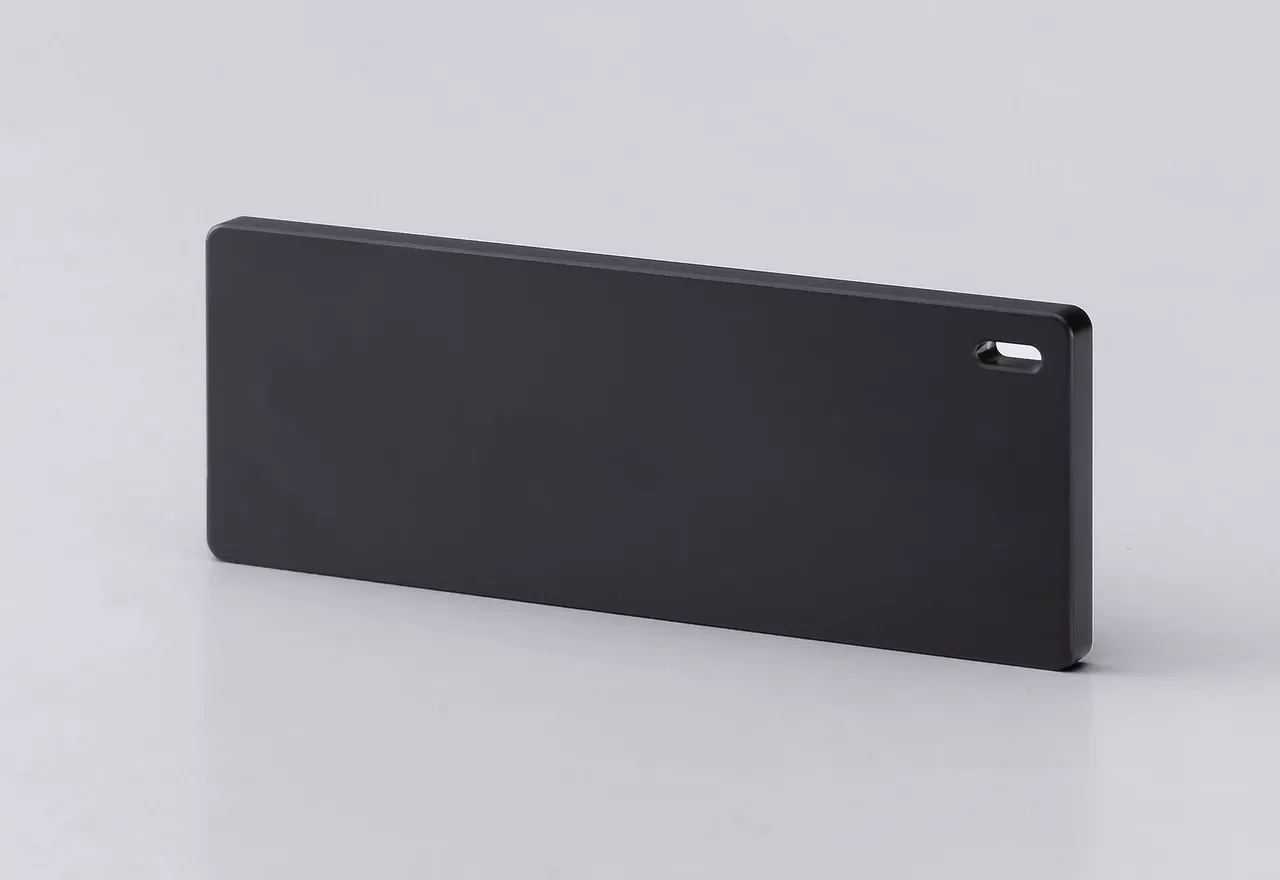
The following table shows common surface finishes for invar.
Bead Blast
Black Oxide
Heat Treat
Electroless Nickel Plating
Polishing
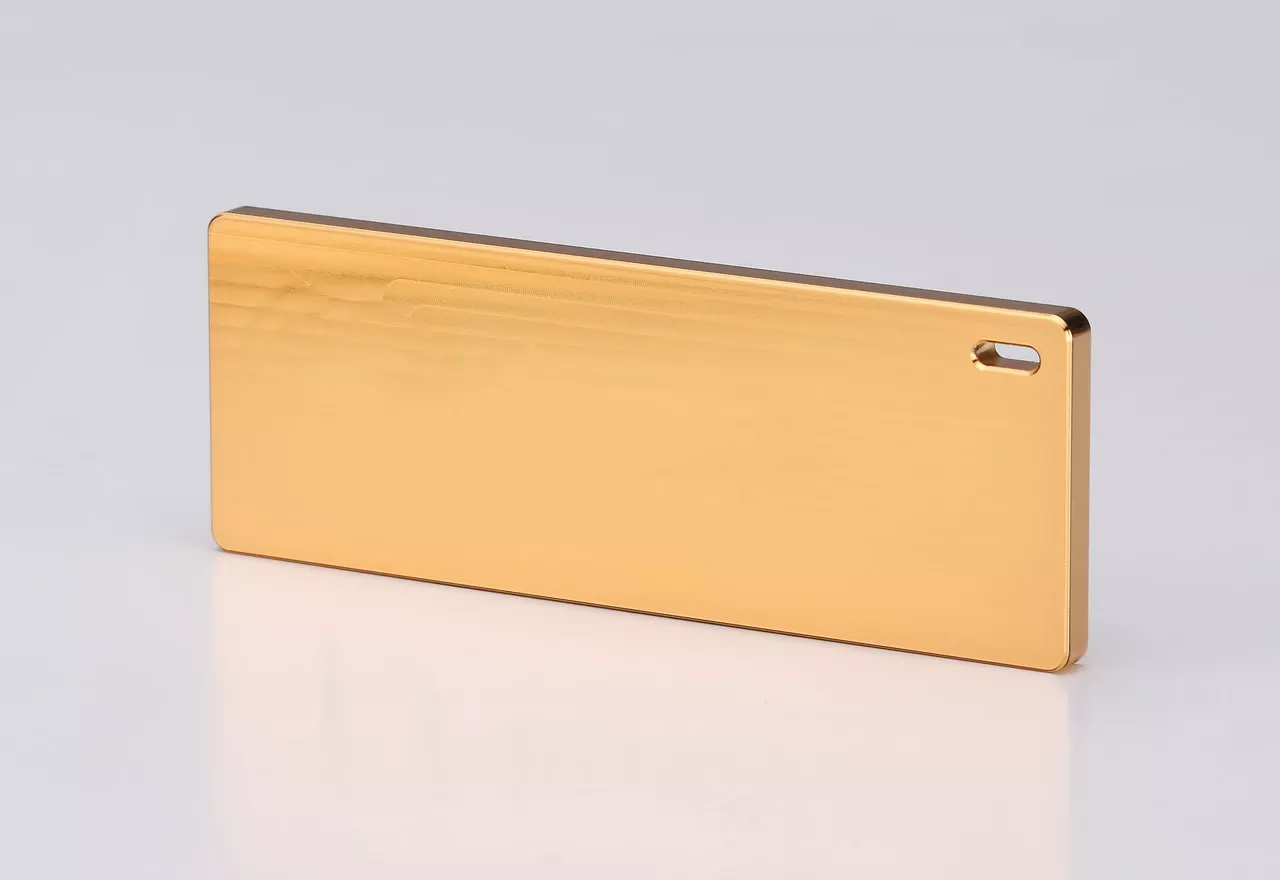
Gold Plating
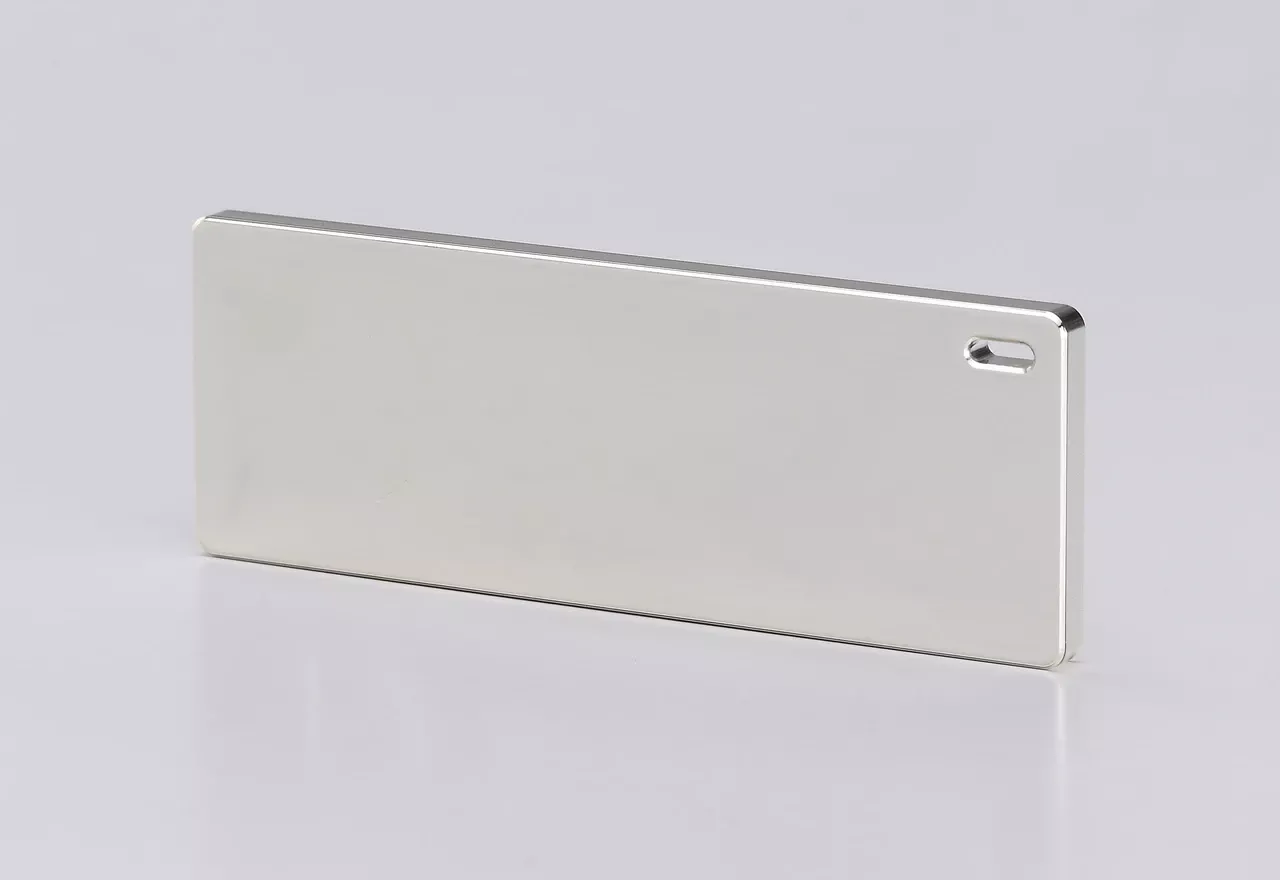
Silver Plating
Powder Coating
Brushing
Start your custom machining project with Elimold
We are renowned globally for our on-time delivery, budget control, and tolerance control. We understand that every project is unique, so we offer customized Invar machining services to meet our clients’ specific needs. Our expertise in providing high-quality custom Invar parts manufacturing and machining services is second to none. Elimold’s rigorous quality assurance and inspection processes ensure that every precision Invar CNC machining service we provide meets the highest standards.
Important Considerations for Invar Materials
The effect of heat treatment on the coefficient of thermal expansion of an alloy depends on the cooling method. Rapid cooling (quenching) reduces the coefficient of thermal expansion, while slow cooling increases it. Cold working is more effective than quenching in reducing the coefficient of thermal expansion. Subsequent annealing can eliminate the reduction in the coefficient of thermal expansion caused by cold working, with the degree of reduction being proportional to the annealing temperature. When the temperature reaches approximately 1100°F (approximately 598°C), the alloy will recover to the coefficient of thermal expansion of its annealed state. If an Invar alloy is intended for high-precision machining after cold working or machining, stress-relieving heat treatment may be necessary to stabilize its properties. The service temperature of this material must never exceed its thermal inflection point.
Precision Machined Invar Components
Interested in utilizing Invar for your machined component? Contact Elimold today.Here is an example list of Invarcomponents that can be machined:
- Electronic components, such as resonators, oscillators, and frequency control components
- Mechanical components, such as gears, gauges, and measuring instruments
- Optical components, such as telescopes, spectrometers, and mirrors
Aerospace components, such as high-precision spacecraft components and navigation systems - Scientific instruments, such as cryogenics, spectroscopy, and metallurgy components
- Automotive components, such as fuel injectors and engine components
FAQs
Yes, Invar alloy is quite difficult to machine. Its low coefficient of thermal expansion and high nickel content make it hard and highly abrasive, leading to rapid tool wear. Specialized cutting tools and machining techniques are required to achieve accurate machining results.
Both Inconel and Invar are nickel-based alloys, but their applications differ:
Inconel alloy is known for its high-temperature strength and resistance to oxidation and corrosion, making it ideal for high-stress, high-temperature environments such as gas turbines and jet engines.
Invar alloy is known for its extremely low coefficient of thermal expansion, making it suitable for applications requiring dimensional stability under temperature changes, such as precision instruments and watches.
The maximum operating temperature of Invar alloy is typically around 230°C (446°F). Above this temperature, its low expansion properties begin to decline.
- Machinability: Invar alloy is difficult to machine, resulting in significant tool wear.
- Cost: Invar alloys are relatively expensive due to their high nickel content.
- Magnetic Properties: Invar alloys are magnetic, which can be a disadvantage in some applications.
- Thermal Conductivity: It has a lower thermal conductivity compared to other metals.
Invar alloys have strength similar to many types of steel, but their main advantage lies in their low coefficient of thermal expansion, not their strength. Depending on the specific alloy composition, the strength of Invar alloys may be slightly higher or lower than that of other steels.
Super Invar alloys have an even lower coefficient of thermal expansion than Invar 36 alloys due to their higher nickel and cobalt content. This makes Super Invar alloys more suitable for precision applications with extremely low requirements for thermal expansion, such as optical and measuring instruments.
Invar alloys are quite expensive compared to many other metals due to their high nickel content and special properties. Specific prices may vary, but they are generally higher than ordinary steel and aluminum alloys.
Invar 36 is a specific formulation of the Invar alloy containing 36% nickel, which gives it its low coefficient of thermal expansion. While Invar is a general term that can refer to many alloys with similar properties, Invar 36 is the most common and widely used.
Yes, Invar is a magnetic alloy with a nominal composition of 36% nickel and the remainder iron. Iron, nickel, and cobalt are all elemental metals that are magnetic below the Curie temperature. Alloys containing these elements may be magnetic. However, Invar is not used for its magnetism, but rather for its low expansion rate, which is the lowest known among alloys (approximately one-tenth that of carbon steel at temperatures up to 400°F). Invar is particularly useful in applications requiring minimal thermal expansion and high dimensional stability.
Kovar and Invar are two types of controlled expansion alloys. Both alloys are iron-nickel alloys; however, Kova alloy also contains cobalt. Both alloys are widely used due to their thermal expansion properties. This is especially true for Kova alloy, whose expansion properties are very close to those of borosilicate (Pyrex) glass and ceramic materials. Invar alloy is unique in that it possesses the lowest known coefficient of thermal expansion and extremely high dimensional stability among alloys.
Invar alloy has good resistance to atmospheric corrosion, but it may not be highly resistant to corrosion in corrosive environments. It forms a protective oxide layer that helps prevent further corrosion, but its corrosion resistance is not as good as some other alloys.
Due to the balanced ratio of iron and nickel, Invar alloy does not expand significantly. This unique structure allows it to resist length changes caused by temperature variations. This unique composition makes it dimensionally stable.
The price of Invar alloy fluctuates with market conditions, but is typically between $20 and $40 per pound. Due to its high nickel content and special properties, it is more expensive than ordinary steel and aluminum.
Invar alloy is not a high-temperature alloy. High-temperature alloys are designed to maintain strength and integrity under high temperatures and mechanical stress (such as the stress in a turbine engine). Invar alloy, on the other hand, is designed to minimize thermal expansion.
Ready to Elevate Your Project? Bring Your Designs to Life with Elimold
Experience precision engineering with Elimold. From detailed prototypes to high-volume production, we’re here to turn your concepts into reality. Contact us today to discuss your project needs!